
Travel Guides


Nestled in the verdant landscapes of Tripura lies Pilak, a treasure trove of 8th to 12th-century Hindu and Buddhist archaeological marvels. For those with a passion for history, art, and culture, Pilak offers an unparalleled glimpse into India’s rich past. And what better way to embark on this journey than with the reliable services of Guwahati Taxi?
Pilak stands as a testament to the harmonious coexistence of Hinduism and Buddhism during ancient times. The site is adorned with:
Stone Carvings and Terracotta Plaques: These artifacts showcase intricate designs and motifs, reflecting the artistic brilliance of the era.
Stupas and Monolithic Structures: Scattered across the region, these structures offer insights into the architectural prowess of ancient civilizations.
Deities and Icons: Representations of Hindu deities like Narayan and Mahisasurmardini, alongside Buddhist figures such as Lord Buddha, highlight the syncretic culture of the time.

Journeying from Guwahati to Pilak
The expedition from Guwahati to Pilak is as enriching as the destination itself. Covering approximately 400 kilometers, the journey offers travelers a chance to witness the diverse landscapes of the Northeast. Opting for a trusted taxi service ensures a comfortable and memorable trip.
Why Choose Guwahati Taxi?
When planning your voyage to Pilak, selecting a dependable transportation service is paramount. Guwahati Taxi stands out for several reasons:
Diverse Fleet: Whether you’re traveling solo or with a group, Guwahati Taxi offers a range of vehicles to suit your needs. From the compact Maruti Suzuki Swift Dzire to the spacious Toyota Innova Crysta, there’s a vehicle for every traveler.
Professional Drivers: Safety and comfort are prioritized with experienced drivers who are well-versed with the routes and local attractions.
Transparent Pricing: With competitive rates starting from ₹2000 per day, travelers can enjoy a cost-effective journey without hidden charges.
Customizable Packages: Tailored itineraries ensure that you can explore Pilak and its surrounding areas at your own pace.

Highlights of the Journey
Scenic Landscapes: The route from Guwahati to Pilak is adorned with lush greenery, rolling hills, and quaint villages, offering ample opportunities for photography and relaxation.
Cultural Encounters: Interacting with local communities en route provides insights into the diverse cultures and traditions of the Northeast.
Culinary Delights: Savor local delicacies at roadside eateries, introducing your palate to the flavors of the region.
Planning Your Trip
To ensure a seamless experience:
Advance Booking: It’s advisable to book your taxi in advance, especially during peak tourist seasons, to secure your preferred vehicle.
Travel Essentials: Carry essentials like water, snacks, and a basic first-aid kit. Wearing comfortable attire and footwear is recommended.
Accommodation: While Pilak offers limited lodging options, nearby towns provide a range of accommodations to suit various budgets.
A visit to Pilak is not just a journey through miles but a voyage through time. The ancient relics, combined with the natural beauty of Tripura, promise an experience that lingers in memory. With Guwahati Taxi as your travel partner, you’re assured a journey that’s comfortable, safe, and tailored to your preferences. So, pack your bags, set your sights on Pilak, and let the roads of the Northeast unveil stories of yore.
For bookings and more information, visit Guwahati Taxi’s official website.
Post Views: 897
Nestled in the northeastern corner of Assam, Sadiya is a treasure trove of history, culture, and natural beauty. Often overshadowed by more popular destinations, this quaint town offers a unique blend of ancient heritage and serene landscapes, making it a must-visit for discerning travelers.
A Glimpse into Sadiya's Rich History
The origins of Sadiya can be traced back to thirteenth-century, when it was capital for Chutia Kindom. Founded by Khing Ratnadhwajpal, the Kingdom lasted for over 300 years. Many architectural masterpieces and the rich legacy of culture left by its people shine bright on history today. The name for the town, “Sadiya,” comes from “So-Diya” — that is “Corpse Buried”. It refers to where the king’s son was buried in this neighborhood.
Architectural and Archaeological Miracles
Sadiya and its surroundings are speckled with the relics of their brilliant past: Bura-Buri Than: This ancient temple, dedicated to the primordial deities Gira -Girasi (later assimilated into Siva and Sakti), offers insights into the highly-skilled stone architecture of Chutia period. While natural disasters have taken their toll upon the original structure, the foundation still stands and reflects the temple’s significance from a historical perspective.
Rukmini Nagar: Located four kilometers north of Roing, this site shows off old brick structures which hint at the area’s traditional strengths in architecture. Excavations have revealed rooms and even artifacts; this must have been a well-developed settlement on a small scale hundreds of years ago.
Natural Beauties and Cultural Feasts
For example, the town of Sadiya is nestled at the confluence of three rivers named the Dihing, Dibang, and Lohit. It abounds in verdure and beauty, and the elevation is about 400 feet–so has sheer drops on several sides to give panoramic vistas across these plains and the rivers flowing through them. Awesome flora of the ‘satful’ flower kind provides that final suedo attraction to such an environment where construction work is going on during dry season(s) all year round.
Cultural Festival and Arts
The diverse communities of Sadiya contribute to a beautifully complex cultural mosaic. Traditional festivals, local crafts, and indigenous cuisines allow visitors an in-depth look into Assam’s lively rich heritage. Engaging with local artisans and participating in community celebrations give a deeper insight into the traditions of the region.
Connectivity and Modern Developments
.The inauguration of the Bhupen Hazarika Setu (Dhola-Sadiya Bridge) has significantly improved access to Sadiya. As India’s longest river bridge, it connects Assam to Arunachal Pradesh, reducing travel time and enhancing economic activities in the region. This development has opened new avenues for tourism, making Sadiya more accessible to travelers.
Exploring Nearby Attractions
Sadiya’s strategic location allows for excursions to several nearby attractions:
Parshuram Kund: A sacred pilgrimage site situated about 80 km from Sadiya, where devotees take holy dips in the Lohit River, especially during Makar Sankranti.
Dibru-Saikhowa National Park: Located near Tinsukia, this park is a haven for birdwatchers and wildlife enthusiasts, offering sightings of rare species in their natural habitats.

Planning Your Visit
The best time to visit Sadiya is during the winter months, from November to February, when the weather is pleasant, and the natural beauty is at its peak. Travelers can reach Sadiya via Dibrugarh Airport or Tinsukia Railway Station, followed by a scenic drive through Assam’s countryside using Guwahati Taxi services for a comfortable and hassle-free journey.
Embark on an Unforgettable Journey
Sadiya, with its rich historical heritage, cultural vibrancy, and natural beauty, offers an off-the-beaten-path experience for travelers seeking to explore Assam’s lesser-known destinations. Whether you’re a history buff, nature lover, or cultural enthusiast, Sadiya promises a memorable journey into the heart of Northeast India.
Travel Hassle-Free with Guwahati Taxi – Your Trusted Ride to Sadiya!
Contact Us: Guwahati Taxi Support Assistant
Post Views: 1,161

Tucked away in the rolling hills of Meghalaya, Mawphlang Sacred Grove is not just a forest—it’s a living legend. Renowned for its breathtaking biodiversity, spiritual heritage, and pristine natural beauty, the grove is one of the most enchanting destinations in northeast India. Whether you’re a nature lover, history buff, or cultural explorer, Mawphlang is a must-visit to experience Meghalaya’s deep-rooted connection with nature.
The Sacred Legacy of Mawphlang
Mawphlang Sacred Grove, located approximately 25 km from Shillong, is an ancient forest believed to be protected by local deities. For centuries, the Khasi tribe has preserved the grove through strict cultural rituals, ensuring that no harm comes to its ecosystem. Cutting down trees or removing anything from the forest—even a leaf—is considered taboo, as the spirits of the forest are said to guard the land fiercely.
This sacredness has allowed the grove to thrive as a biodiversity hotspot, with flora and fauna found nowhere else. Walking through the grove feels like stepping into a natural cathedral, with towering trees, vibrant moss, and medicinal plants that have been used by indigenous communities for generations.
What Makes Mawphlang Sacred Grove Special?
1. Unmatched Biodiversity
Home to ancient oak trees, ferns, orchids, mushrooms, and over hundreds of medicinal plants, Mawphlang offers a sanctuary for nature. The air is crisp, and the environment is untouched—a rare haven in a rapidly urbanizing world.
2. Cultural Significance
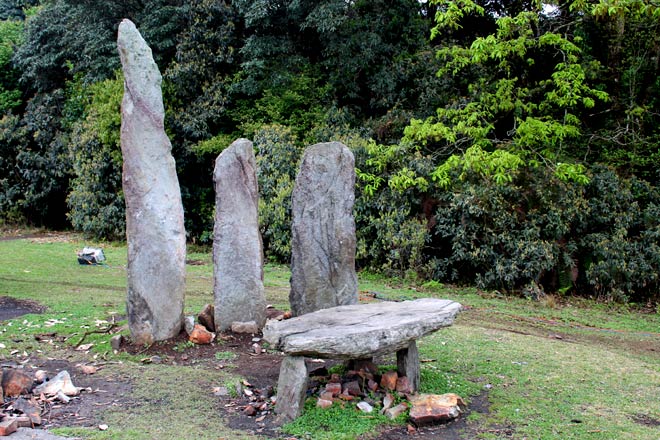
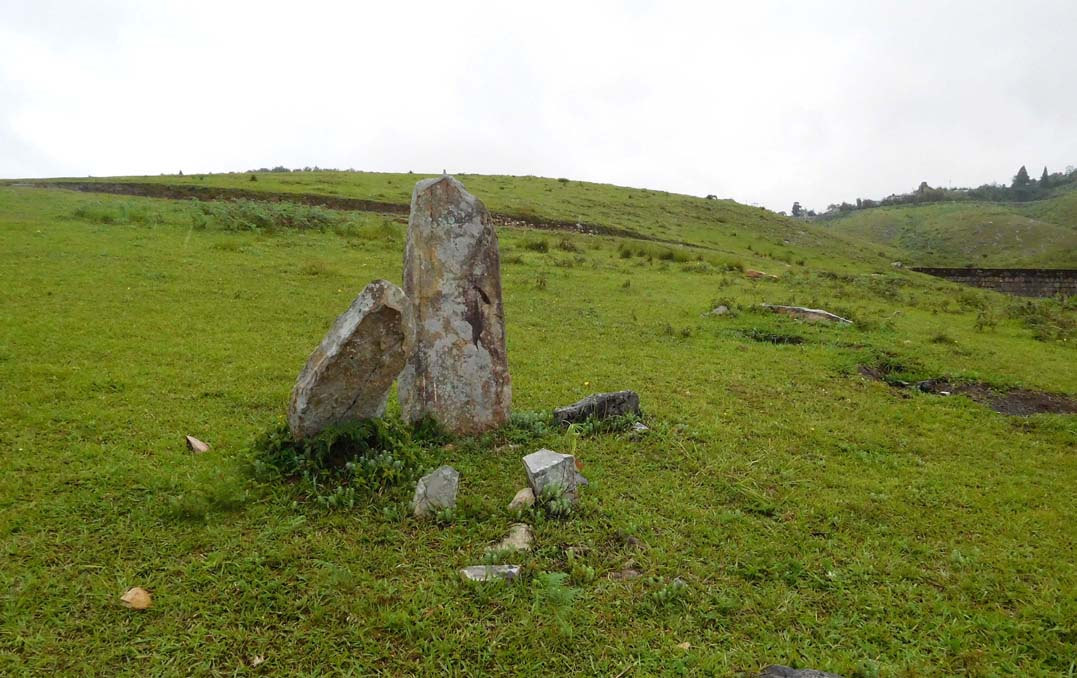
The grove is closely tied to Khasi spiritual practices. Rituals and sacrifices are still occasionally performed to honor the forest gods, particularly in a stone shrine located within the grove, where monoliths stand as silent witnesses of a rich cultural heritage.
3. Eco-Tourism Haven
For eco-tourists, Mawphlang is a dream destination. Sustainable tourism practices ensure that the natural balance of the grove is maintained, while knowledgeable local guides share tales, legends, and ecological insights on walking tours.
Best Time to Visit Mawphlang Sacred Grove
The ideal time to explore Mawphlang is from October to May. The weather during these months is pleasant, with clear skies and comfortable temperatures. The monsoon season (June to September), while beautiful with its lush greenery, can make the trails slippery and difficult to navigate.

How to Reach Mawphlang Sacred Grove
- By Air: The nearest airport is Shillong Airport, about 45 km away.
- By Road: Mawphlang is easily accessible from Shillong by taxi or local buses.
- By Rail: The closest major railway station is Guwahati, from where you can drive or take a bus to Shillong and onward to Mawphlang.
Things to Do at Mawphlang Sacred Grove
1. Guided Nature Walks
Experience a mystical tour with local guides who explain the historical, medicinal, and ecological importance of the forest.
2. Photography
Capture stunning shots of moss-laden trees, rare orchids, and the tranquil ambiance of this ancient grove.
3. Visit Monoliths and Ritual Sites
Learn about the monoliths, which serve as sacred markers, and understand the rituals performed to honor the forest gods.
4. Explore David Scott Trail
Adventure enthusiasts can hike the nearby David Scott Trail, one of the oldest trekking routes in Meghalaya, passing through scenic villages and waterfalls.
Why Mawphlang Should Be on Your Bucket List
- Spiritual Connection: Discover the ancient practices of the Khasi people and the spiritual importance of living harmoniously with nature.
- Pristine Beauty: With zero litter and absolute serenity, this is one of the cleanest and most well-preserved ecosystems in India.
- Cultural Insight: Mawphlang is not just a forest; it’s a living museum of Khasi culture, oral history, and traditions.
Tips for Visiting Mawphlang Sacred Grove
- Always hire a local guide. Not only are they incredibly knowledgeable, but they ensure visitors respect the rules of the grove.
- Do not pick or take anything from the forest—not even a fallen leaf.
- Wear comfortable hiking shoes, as the terrain can be uneven and damp.
- Bring rain gear if visiting during monsoon months.
- Respect the local customs and the sacredness of the site.
Where to Stay Near Mawphlang Sacred Grove
Nearby Accommodation Options:
- Homestays in Mawphlang village for a local experience.
- Eco-lodges and guesthouses in Shillong for more comfort.
- Camping options during specific seasons, arranged by local tour operators.
Final Thoughts
A visit to Mawphlang Sacred Grove is much more than a travel experience—it’s a step back into a world where nature, culture, and spirituality are deeply intertwined. The forest whispers ancient tales through its rustling leaves and moss-covered stones. It stands as a testament to the Khasi people’s unwavering respect for the environment, offering us an invaluable lesson on coexistence.
So, if you’re planning your next adventure in Meghalaya, make sure Mawphlang Sacred Grove is at the top of your list. Breathe in the fresh air, listen to the silence, and leave with a heart full of peace and a mind inspired by nature’s untouched beauty.
Ready to experience the real Northeast? Start planning your trip today!
Post Views: 833

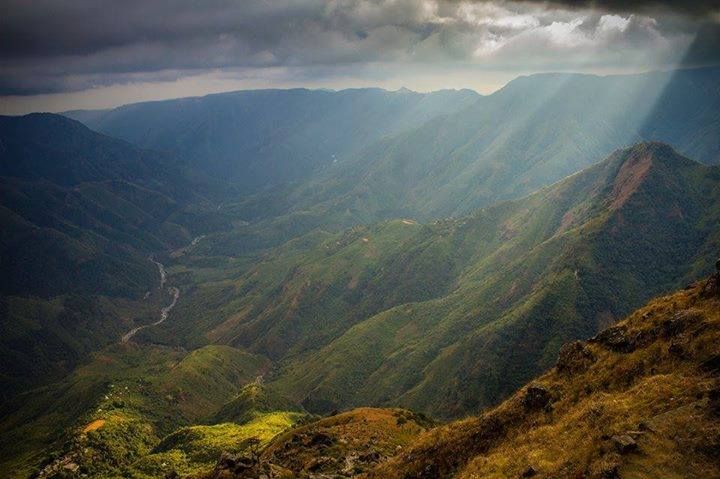
Nestled in the heart of Meghalaya, the Laitlum Canyon is a spectacular natural wonder offering panoramic views of rolling hills, deep gorges, and endless greenery. Translating to “End of the Hills” in the local Khasi language, Laitlum is a tranquil escape from the chaos of city life and an ideal spot for nature lovers, trekkers, and photographers seeking untouched beauty.
If you’re planning a trip to Northeast India, Laitlum Canyon deserves a spot at the top of your itinerary. Here’s a detailed travel guide to help you experience this gem to the fullest.
Why Visit Laitlum Canyon?
Laitlum Canyon is not just another tourist attraction; it’s an experience. With its vast, open landscapes and cool, crisp air, the canyon feels like nature’s own amphitheater. On clear days, the view stretches out for miles, with lush valleys, quaint villages, and winding streams creating a picture-perfect scene. It’s no wonder that Laitlum has become popular among photographers and filmmakers looking to capture Meghalaya’s raw beauty.

How to Reach Laitlum Canyon
Laitlum Canyon is about 24 km from Shillong, the capital of Meghalaya. Here’s how you can get there:
- By Air: The nearest airport is Shillong Airport, approximately 30 km away. Alternatively, you can fly into Guwahati Airport, about 120 km from Shillong.
- By Road: From Shillong, taxis and shared cabs are readily available. The drive takes around 45 minutes, offering scenic views all along the route.
- By Local Transport: You can also hire scooters or bikes if you’re feeling adventurous and want to explore Meghalaya on two wheels.
Best Time to Visit
The best time to visit Laitlum Canyon is from October to April, when the weather is pleasant, and the skies are mostly clear. During the monsoon (June to September), the region experiences heavy rainfall, which adds a mystical charm to the landscape but can make trekking and road travel challenging due to slippery paths and reduced visibility.
Trekking at Laitlum Canyon
For those who crave adventure, Laitlum offers some of the most rewarding trekking experiences in Meghalaya. The trek down to Rai Village, located at the base of the canyon, is particularly popular. It’s a 2-hour hike through steep paths, bamboo forests, and scenic viewpoints. The villagers are warm and welcoming, offering insights into the Khasi way of life and their deep connection to nature.
Trekking Tips:
- Wear sturdy trekking shoes with good grip.
- Carry enough water and light snacks.
- Start your trek early to avoid the afternoon heat.
- Hire a local guide if you’re unfamiliar with the terrain.
Things to Do at Laitlum Canyon
- Photography: Every angle at Laitlum is Instagram-worthy. Sunrise and sunset, in particular, offer golden hues that make the landscape glow.
- Picnicking: Pack a meal and enjoy a peaceful picnic with unmatched views.
- Drone Footage: If you have a drone, this is one of the best spots in Meghalaya for aerial shots.
- Village Walks: Interact with locals in the nearby villages and learn about their sustainable way of living.

Where to Stay
While there aren’t many accommodations directly at Laitlum Canyon, Shillong offers plenty of options:
- Budget stays like hostels and guesthouses.
- Mid-range hotels with comfortable amenities.
- Luxury resorts for those seeking a premium experience.
Consider staying in local homestays if you wish to experience authentic Khasi hospitality.
Travel Tips for Laitlum Canyon
- Start Early: The canyon tends to get foggy in the late afternoon, which can obscure the views.
- Pack Light: The area is remote with minimal facilities, so carry essentials like sunscreen, hats, and a first-aid kit.
- Respect Nature: Keep the environment clean. Avoid littering and be mindful of the local culture.
- Cash is King: Mobile networks can be unreliable, and digital payments may not work. Carry sufficient cash.
Why Laitlum Canyon Should Be on Your Bucket List
In an era of overcrowded tourist destinations, Laitlum Canyon offers an untouched, serene environment where nature reigns supreme. Whether you’re looking to trek, photograph, or simply sit and breathe in the fresh mountain air, Laitlum is the perfect getaway.
The beauty of Laitlum Canyon lies not just in its breathtaking landscapes but in the sense of peace it brings. It reminds us that sometimes, the end of the hills is just the beginning of an unforgettable adventure.
Ready to experience the real Northeast? Start planning your trip today!
Post Views: 865

Northeast India is a mysterious and enchanting region, often misunderstood by travelers due to a lack of awareness or misinformation. Many tourists hesitate to visit because of certain myths floating around. But the truth? The Northeast is one of the most diverse, safe, and breathtaking destinations in India!
In this blog, we’re busting six of the biggest myths about traveling to Northeast India. If you’ve been holding back from visiting, it’s time to see the reality behind these myths and discover the hidden gems of this beautiful region!
Myth 1: Northeast India is Difficult to Reach
Many people assume that traveling to the Northeast is complicated due to its remote location. However, this is far from the truth.
The Reality:
Guwahati (Assam) is a major gateway, with direct flights from Delhi, Mumbai, Bangalore, Chennai, and Kolkata.
Other airports in Shillong, Imphal, Aizawl, Agartala, Dimapur, and Dibrugarh make it easy to access different states.
Well-maintained highways and railway connectivity are improving every year.
Tip: Opt for domestic flights to save time, and use shared cabs or rental bikes for local travel.

Myth 2: You Need Special Permits to Visit Every State
While some states require an Inner Line Permit (ILP), not all do. Yet, many travelers believe this myth and hesitate to visit.
The Reality:
No permit is needed for Assam, Meghalaya, and Tripura—just book your tickets and go!
ILP is required for Arunachal Pradesh, Nagaland, Manipur, and Mizoram—easily available online.
Foreigners need a Protected Area Permit (PAP) for Arunachal Pradesh.
Tip: If you’re traveling with a tour company, they handle the permits for you, making it hassle-free.
Myth 3: The Food is Too Spicy and Exotic
One of the most common myths is that Northeast Indian food is too spicy or filled with unusual ingredients. While the region does have some unique dishes, there are plenty of options for all kinds of taste preferences.
The Reality:
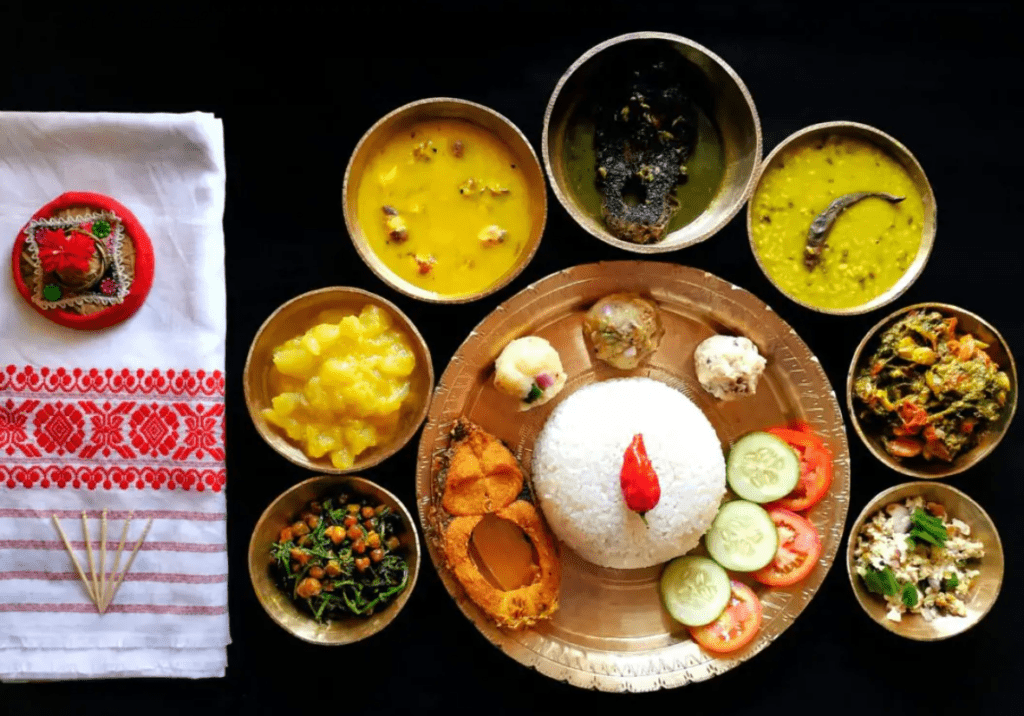
Assam’s thali is mild and flavorful, with dal, rice, fish, and vegetables.
Sikkimese momos and thukpa are widely loved and not too spicy.
Meghalaya has pork-based dishes that are rich in flavor but not overly spicy.
Every state has local options, but you can always find standard Indian, Chinese, and even continental food in popular tourist areas.
Tip: If you’re not a fan of strong flavors, ask for mild versions of local dishes.
Myth 4: It’s Not Safe for Travelers
Safety concerns are one of the biggest myths about Northeast India, often discouraging travelers from exploring this stunning region.
The Reality:
Crime rates in Northeast states are lower than in many metro cities.
Locals are hospitable and welcoming to tourists—you’ll often be invited to festivals and homes.
Women travelers find the Northeast especially safe, with Meghalaya and Mizoram having some of the highest gender equality rates in India.
Tip: Like any destination, exercise basic caution, avoid isolated places at night, and respect local customs.
Myth 5: There’s Nothing to Do Besides Trekking
One of the biggest myths about the Northeast is that it’s only for trekkers and adventure seekers. But the region offers so much more!
The Reality:
Adventure seekers can try river rafting in Assam, caving in Meghalaya, or paragliding in Sikkim.
Cultural enthusiasts can visit tribal villages in Nagaland, attend the Hornbill Festival, or explore monasteries in Arunachal.
Wildlife lovers can go for a safari in Kaziranga (home to one-horned rhinos) or explore the floating national park in Manipur.
Foodies can experience tea-tasting in Assam or indulge in Northeast’s unique fusion cuisine.
Tip: Customize your itinerary based on your interests—whether it’s relaxation, adventure, or cultural immersion.

Myth 6: Internet and Phone Connectivity is Poor
Many travelers avoid the Northeast due to myths about poor internet connectivity, but this is not entirely true.
The Reality:
Guwahati, Shillong, Gangtok, and Aizawl have strong mobile networks and high-speed internet.
Airtel and Jio work best in most locations, with BSNL being useful in very remote areas.
Many hotels, cafés, and homestays now offer WiFi connectivity.
Tip: Download offline maps and keep a power bank handy for treks or rural visits.
Now that these myths are debunked, there’s nothing stopping you from exploring one of the most beautiful and culturally rich regions in India. Whether you’re looking for adventure, serenity, or unique traditions, Northeast India has it all.
Ready to experience the real Northeast? Start planning your trip today!
Post Views: 826

Survival Guide to Northeast India is essential for anyone looking to explore this diverse and culturally rich region. Whether you’re visiting for adventure, sightseeing, or business, understanding local customs can enhance your experience and help you connect with the people. Here’s your ultimate survival guide on how to blend in like a local in Northeast India. This survival guide will ensure you have a seamless and authentic experience.
1. Dress Modestly and Adapt to Local Attire
While urban areas like Guwahati and Shillong have modern fashion influences, many rural regions prefer modest dressing. Men usually wear traditional attire during festivals, while women wear mekhela chador (Assam), puan (Mizoram), or phanek (Manipur). Wearing local fabrics can earn you respect and admiration.
Tip: If you visit a monastery or temple, cover your shoulders and legs as a sign of respect.

2. Learn Basic Greetings in Local Languages
The Northeast has over 200 languages, but learning a few common phrases can go a long way.
Namaskar (Assamese)
Khublei (Khasi, Meghalaya)
Tashi Delek (Monpa, Arunachal Pradesh)
Khawp la (Mizo, Mizoram)
A simple greeting can make locals appreciate your effort.
3. Respect Tribal Customs and Traditions
Each state has its unique tribal culture. Some tribes in Nagaland and Arunachal Pradesh follow strict traditions regarding guest interactions, rituals, and festivals.
Tip: Always ask for permission before taking photos, especially in tribal villages.
4. Eat Like a Local
Food is a significant part of Northeast culture. Ditch the fast food and try authentic dishes like:
Thukpa & Momos (Arunachal Pradesh, Sikkim)
Smoked Pork (Nagaland)
Bamboo Shoot Curry (Assam, Manipur)
Fermented Soybean Dishes (Meghalaya, Manipur, Mizoram)
Many dishes are prepared with minimal spices but have strong flavors due to fermentation techniques.

5. Follow Local Drinking Etiquette
Rice beer and fermented beverages are common in many tribal cultures. If offered, it is polite to take at least a sip.
Tip: Avoid excessive drinking as some communities consider it disrespectful.
6. Participate in Local Festivals
Northeast India is rich in festivals, and attending them can help you understand the region’s traditions.
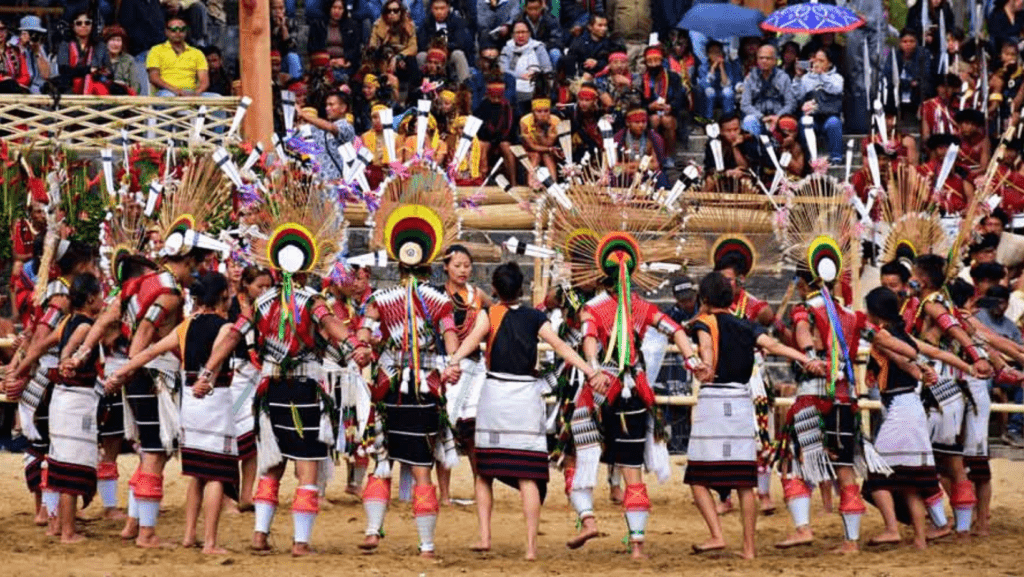
Hornbill Festival (Nagaland) – Showcasing tribal heritage and dance.
Bihu (Assam) – A grand harvest festival with dance and feasting.
Losar (Arunachal Pradesh, Sikkim) – Tibetan New Year celebration.
Chapchar Kut (Mizoram) – A spring festival with folk music and dance.
Participating in these celebrations can make you feel like a part of the community. This survival guide will help you navigate these festivities with ease.
7. Be Mindful of Environmental Practices
Many communities in the Northeast practice eco-friendly traditions. Meghalaya’s sacred forests, Arunachal’s conservation villages, and Mizoram’s ‘no plastic’ movements are a few examples.
Tip: Avoid littering, use biodegradable products, and respect local conservation efforts
8. Respect Religious Sentiments
Buddhism, Christianity, Hinduism, and indigenous faiths coexist in Northeast India. When visiting religious sites:
Remove shoes before entering temples and monasteries.
Do not point your feet toward sacred objects.
Avoid loud conversations inside religious places.
9. Travel with an Open Mind
People in the Northeast are warm and welcoming, but their customs may be different from what you’re used to. Keep an open mind, be polite, and embrace the experience. This survival guide is designed to help you adjust smoothly to the local culture.

Survival Guide for Northeast India is all about respect, curiosity, and adaptability. The more effort you put into understanding the culture, the more rewarding your journey will be. Whether it’s through language, food, or traditions, every little effort helps in making meaningful connections with the locals.
So, pack your bags, embrace the culture, and enjoy the unique charm of Northeast India with Guwahati Taxi!
Post Views: 958

Tucked away in the misty hills of Meghalaya, this awe-inspiring destination is officially recognized as the wettest place on Earth. With an annual rainfall of over 11,800 mm, it is a paradise for nature lovers, adventure seekers, and monsoon enthusiasts. The unrelenting downpours sculpt the landscape, forming magnificent waterfalls, pristine rivers, and dense forests, creating a scene straight out of a fairytale. Whether you’re looking for adventure or tranquility, this mesmerizing location offers an unforgettable experience amidst nature’s purest form.
Why Visit the Wettest Place on Earth?
1. Mawjymbuin Cave – A Natural Wonder
Mawsynram is home to Mawjymbuin Cave, famous for its naturally formed Shivalinga-shaped stalagmite. This sacred site attracts both pilgrims and adventure seekers who marvel at its unique rock formations and mysterious aura.
2. Mawsmai Falls – A Majestic Cascade
Surrounded by dense greenery, Mawsmai Falls is one of the most beautiful waterfalls in the region. It comes alive during the monsoon, creating a stunning spectacle of water plunging down rocky cliffs.
3. Living Root Bridges – Nature’s Engineering
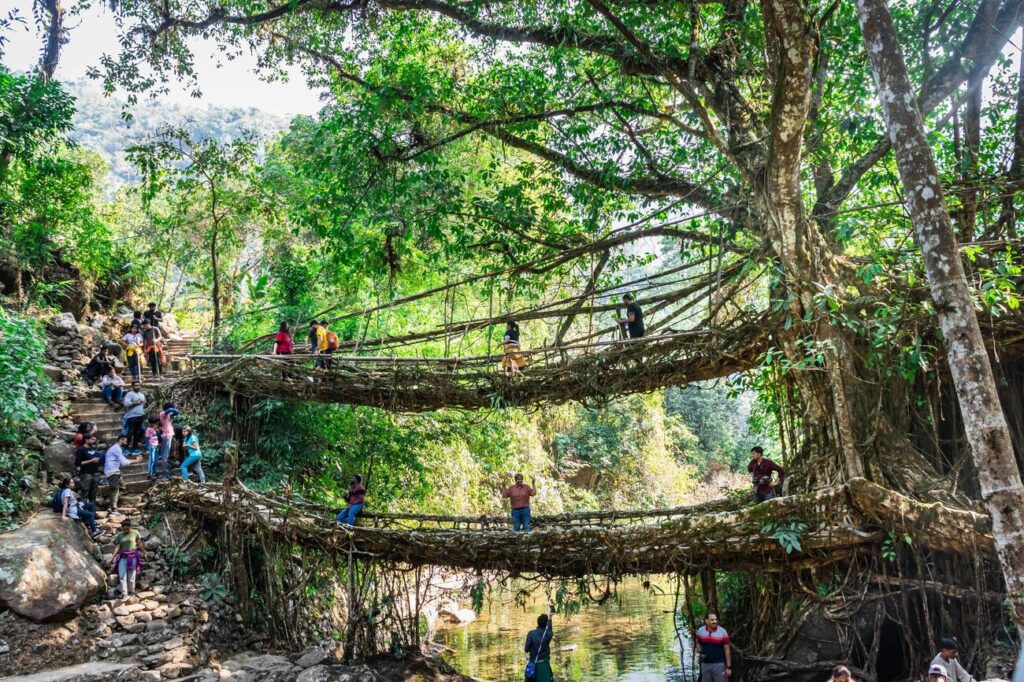
Just a short drive from Mawsynram, the living root bridges of Meghalaya are a must-visit. These fascinating structures, created by intertwining the roots of rubber trees, serve as natural pathways over rivers and streams.
4. Mawlyngbna Village – A Hidden Gem
For those looking to explore beyond Mawsynram, Mawlyngbna Village offers a mix of pristine lakes, natural springs, and fossilized formations. It’s an ideal spot for trekking and enjoying the peaceful surroundings.
5. Krem Puri – The Longest Sandstone Cave
Meghalaya is known for its vast network of caves, and Krem Puri, located near Mawsynram, is the longest sandstone cave in the world. Exploring its mysterious depths is an exhilarating experience for adventure enthusiasts.
Best Time to Visit Mawsynram
Mawsynram receives rainfall throughout the year, but the best time to visit is from October to April when the rains are less intense, and the weather is cool and pleasant. The post-monsoon months offer lush greenery, clear skies, and mesmerizing waterfalls at their peak.
Visiting the wettest place on Earth is a once-in-a-lifetime experience that immerses travelers in nature’s raw beauty. The region’s continuous rainfall creates a lush, ever-green paradise where mist-covered valleys and thundering waterfalls dominate the landscape. Whether you’re trekking through dense forests, exploring hidden caves, or simply enjoying the rhythmic sound of raindrops, every moment here feels magical.
The rich biodiversity, including rare orchids and exotic wildlife, adds to the charm of this incredible destination. Adventure enthusiasts can witness the force of nature up close, as rivers swell and waterfalls roar with unrestrained power.
If you’re looking for an unforgettable monsoon adventure, the wettest place on Earth promises breathtaking views, thrilling escapades, and a deep connection with nature like nowhere else.

How to Reach Mawsynram
- By Road: Mawsynram is about 60 km from Shillong, and well-connected by road. Private taxis and buses are available.
- By Air: The nearest airport is in Guwahati, around 150 km away, from where visitors can hire a cab to reach Mawsynram.
- By Train: The nearest railway station is in Guwahati, with taxis and buses available for further travel.
The wettest place on Earth is a destination like no other. With its enchanting waterfalls, mystical caves, vibrant culture, and lush green landscapes, it offers a perfect escape into nature’s lap. Whether you are an adventure enthusiast, a nature lover, or a traveler seeking solitude, this monsoon wonderland promises an experience you will cherish forever.
Book a trip with Guwahati Taxi for a comfortable journey to Mawsynram!
Post Views: 806

Shillong, the rock capital of India, is buzzing with excitement as it prepares to host Ed Sheeran’s much-awaited concert! Fans from across the country are making their way to Meghalaya’s beautiful hill station to witness the global music icon live on stage. If you’re planning to be part of this historic event, the best way to reach Shillong is by taking a scenic road trip from Guwahati with Guwahati Taxi.
This Shillong travel guide will help you plan the perfect journey, covering best routes, top attractions, travel tips, and everything you need to know to make the most of your trip!

Why Travel from Guwahati to Shillong with Guwahati Taxi?
The journey from Guwahati to Shillong is one of the most beautiful road trips in Northeast India. Whether you’re traveling solo, with friends, or with fellow Ed Sheeran fans, booking a comfortable Guwahati Taxi ensures a stress-free and enjoyable ride.
- Convenience – Book a taxi and avoid the hassle of public transport.
- Scenic Beauty – Witness Meghalaya’s stunning landscapes, waterfalls, and lush green hills.
- Comfort & Safety – Travel with an experienced driver who knows the best routes.
- Flexible Timing – Leave anytime and make stops at breathtaking viewpoints.

Best Route: Guwahati to Shillong Road Trip
- Starting Point: Guwahati, Assam
- Distance: Approx. 100 km
- Travel Time: 2.5 to 3 hours (depending on traffic and stops)
- Recommended Route: NH6 via Nongpoh
Your Guwahati Taxi journey will take you through:
- Umiam Lake – A picturesque stop for boating and photography.
- Nongpo – A perfect place for a quick snack break.
- Shillong Viewpoints – Enjoy panoramic views of the rolling Khasi hills.
Things to Do in Shillong Before Ed Sheeran’s Concert
Make the most of your Shillong trip before heading to the Ed Sheeran concert by exploring these must-visit places:
1. Umiam Lake (Barapani)
Stop by this stunning lake, also called the Meghalaya’s Mini Scotland, and enjoy boating, kayaking, or just relaxing by the water.
2. Police Bazaar
The heart of Shillong’s shopping and nightlife, Police Bazaar is perfect for grabbing souvenirs, trying local Khasi food, or enjoying a cup of Shillong’s famous tea.
3. Elephant Falls
One of Shillong’s most popular waterfalls, Elephant Falls offers a breathtaking view, making it a must-visit spot before heading to the concert.
4. Shillong Cafe Culture
Shillong is known for its bohemian cafes and vibrant music scene. Visit Cafe Shillong or Dylan’s Café to soak in the pre-concert excitement with fellow music lovers.
Ed Sheeran Concert: What You Need to Know
- Date & Venue: Shillong (exact venue details to be announced).
- Entry Requirements: Carry a valid ticket, ID proof, and COVID safety essentials (if required).
- Best Time to Reach: Arrive at least 2 hours early to avoid long queues.
- Parking & Transport: Book a return Guwahati Taxi in advance to avoid last-minute hassles.

Travel Tips for a Hassle-Free Trip to Shillong
- Pre-Book Your Guwahati Taxi – Cabs get booked fast during events, so reserve yours early.
- Carry Sufficient Cash – Some areas have limited ATM access.
- Keep Your ID Proof Ready – Meghalaya authorities may conduct random security checks.
- Pack Warm Clothes – Shillong’s weather can be chilly, especially at night.
- Save Emergency Numbers – Stay connected in case of network issues.
Enjoy the Best of Shillong with Guwahati Taxi!
Attending Ed Sheeran’s concert in Shillong is a once-in-a-lifetime experience, and making the journey from Guwahati to Shillong with a comfortable Guwahati Taxi will make your trip even more memorable. From scenic landscapes to vibrant city vibes, Shillong has everything to offer for a perfect musical getaway.
Also Read: The Ultimate Road Trip Guide: Exploring Meghalaya from Guwahati
Post Views: 869

The Mysterious Side of Northeast India is not just about breathtaking landscapes and vibrant cultures; it is also home to some of the most intriguing superstitions and legends that have been passed down for generations. From mystical villages to haunted forests, this region is filled with stories that can send chills down your spine. Whether you believe in the supernatural or not, these tales add to the unique charm of The Mysterious Side of Northeast India, making it a must-visit for curious travelers.
Exploring The Mysterious Side of Northeast India means diving into centuries-old folklore, discovering haunted places, and experiencing mystical traditions that locals still believe in. If you are an adventurer looking for something beyond the usual, then prepare to uncover the hidden stories that make The Mysterious Side of Northeast India truly unique.
1. The Whistling Village of Meghalaya – Kongthong’s Secret Language
Imagine a village where people call each other not by names but by whistling a tune! In Kongthong, a remote village in Meghalaya, every resident has a unique tune assigned to them at birth. This ancient tradition, known as Jingrwai Iawbei, is believed to keep away evil spirits that might be attracted by spoken names.
The Mysterious Side of Northeast India is filled with unique traditions like this, where culture and mystery blend seamlessly. Many locals believe the practice helps ward off unwanted supernatural entities, while anthropologists see it as a fascinating cultural survival tactic.
2. The Cursed Gold of Manipur – The Hidden Treasure That No One Dares to Touch
Deep in the forests of Manipur, legends speak of hidden gold that brings misfortune to anyone who dares to claim it. The Khongjom War Treasure, supposedly buried by Manipuri soldiers during the Anglo-Manipur War, is said to bring ruin to those who attempt to unearth it. Locals believe that spirits guard the treasure, and anyone seeking it without proper rituals will suffer from illness, bad luck, or even death.
Fact or Folklore? Some believe it’s just a tale to prevent treasure hunters from disturbing war memorial sites, while others insist on its truth based on real-life tragedies. These eerie stories contribute to The Mysterious Side of Northeast India, making it a region filled with secrets waiting to be explored.
3. Mayong – India’s Black Magic Capital in Assam
Tucked away in Assam, Mayong is often referred to as the ‘Land of Black Magic’. Stories of sorcery, vanishing acts, and supernatural healing make this village a mysterious attraction. Ancient scripts and artifacts here speak of powerful spells that could turn people into animals or control minds.
What’s the truth? While modern science dismisses these claims, Mayong still holds annual magic festivals where traditional healers showcase their mysterious abilities, keeping the legend alive. Visiting Mayong is like stepping into The Mysterious Side of Northeast India, where magic and reality intertwine.

4. The Living Root Bridges – A Natural Marvel or a Supernatural Wonder?
The living root bridges of Meghalaya are nothing short of miraculous. Grown over centuries by the Khasi tribes using the roots of rubber trees, these bridges seem almost supernatural in their strength and longevity. Some locals believe the trees have spirits that protect those who respect nature, while others think the roots themselves hold magical energy.
Science or Superstition? While botany explains their growth process, many Khasi elders still follow ancient rituals before using the bridges, ensuring that nature’s balance remains undisturbed. The legends surrounding these bridges only add to The Mysterious Side of Northeast India.
5. The Floating Corpse of Loktak Lake – Manipur’s Unsettling Mystery
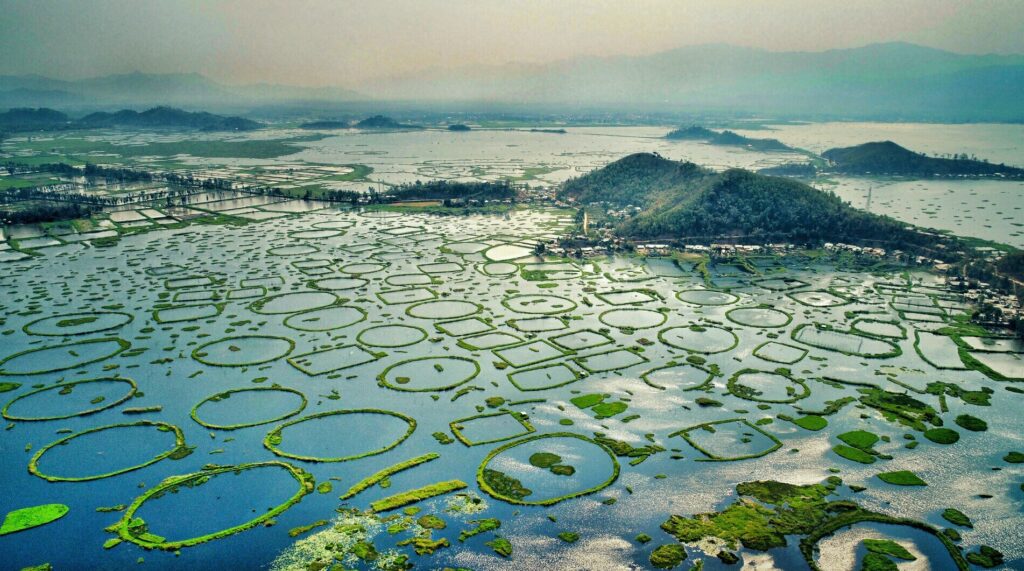
Loktak Lake, India’s largest freshwater lake, is famous for its floating islands, but eerie stories surround it. Fishermen have reported seeing a floating corpse that vanishes when approached. Some say it’s the ghost of a drowned warrior, while others believe it is a guardian spirit of the lake.
Can this be explained? Scientists suggest that shifting vegetation and light reflections create the illusion, but locals prefer to believe in the legend and avoid the lake at night.
6. The Head-Hunting Legacy of Nagaland – Spirits of the Warriors
Naga tribes were once fierce headhunters, collecting enemy heads as trophies. Though the practice ended decades ago, many villages believe that the spirits of fallen warriors still roam their ancestral lands. Some claim to hear war cries in the night, while others say the skulls carry the wisdom of their ancestors.
History or Horror? While historians see headhunting as a past tribal practice, some villagers still conduct rituals to appease the spirits, ensuring peace and prosperity.
7. The Ghostly Forest of Jatinga – Birds That Commit Suicide
In Assam’s Jatinga village, a bizarre phenomenon occurs every year: birds mysteriously fall from the sky, mostly during late monsoon nights. Many villagers believe that evil spirits lure the birds to their death.
Is there a logical explanation? Scientists explain that fog and high-altitude winds disorient the birds, causing them to crash, but the eerie timing and location keep superstitions alive.

Whether these legends are based on superstitions or science, they add to the rich cultural and mystical aura of The Mysterious Side of Northeast India. The region’s blend of folklore, nature, and history makes it an intriguing destination for travelers seeking the unknown.
For those who dare to explore The Mysterious Side of Northeast India, each place tells a story that lingers in the shadows of its landscapes.
If you are ready to uncover the secrets, plan your adventure now with Guwahati Taxi and step into a world where myths and reality intertwine!
Post Views: 1,104