Guwahati Taxi

guides

Why Eco-Tourism is the Future of Travel in Northeast India

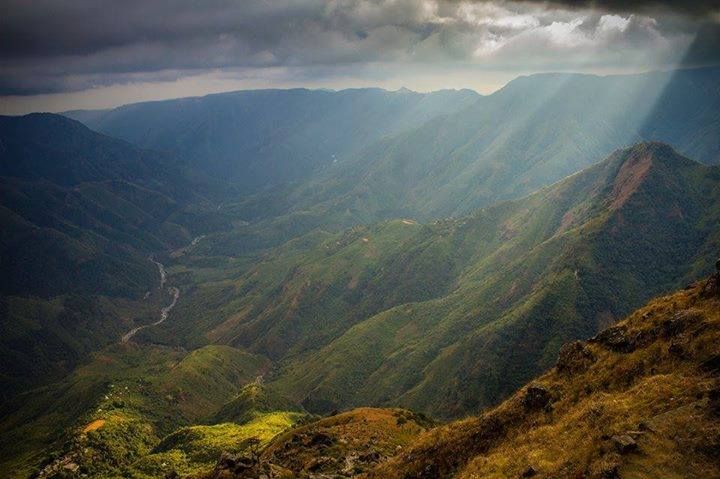
In the ever-evolving landscape of global tourism, a strong shift is underway—travelers are now seeking not just experiences, but responsible experiences. Environmental impact, cultural preservation, and sustainability are becoming non-negotiable pillars of modern travel. For India’s Northeast—a region rich in biodiversity, tribal cultures, and untouched landscapes—eco-tourism is no longer just an option; it is the future.

As mainstream tourism faces saturation, pollution, and ecological degradation in parts of the Himalayas, Goa, and even Kerala, Northeast India is emerging as a sanctuary for mindful travel. From the living root bridges of Meghalaya to the biosphere reserves of Arunachal Pradesh and the wetlands of Assam, this region offers immersive, low-impact travel that connects people to place—with purpose.


What Is Eco-Tourism? Why It Matters Now More Than Ever

Eco-tourism goes beyond nature-based travel. It’s about traveling in a way that conserves the environment, sustains the well-being of local communities, and involves interpretation and education. Unlike conventional tourism that often exploits natural resources for commercial gain, eco-tourism creates a virtuous cycle—economic benefits are returned to the community and the environment is preserved for future generations.

In a world grappling with climate change, over tourism, and biodiversity loss, eco-tourism provides a sustainable alternative. The Northeast—still largely off the beaten track—is uniquely positioned to lead this transformation for India.


Northeast India: A Natural Eco-Tourism Goldmine

Northeast India consists of eight states—Arunachal Pradesh, Assam, Manipur, Meghalaya, Mizoram, Nagaland, Tripura, and Sikkim. Together, they represent a confluence of over 200 tribal communities, dozens of languages, and some of the last pristine ecosystems on the subcontinent.

The region is home to:

  • Four biodiversity hotspots: Indo-Burma, Eastern Himalaya, Himalaya, and the Brahmaputra Valley

  • Rare and endangered species like the red panda, hoolock gibbon, one-horned rhinoceros, clouded leopard, and Bengal florican

  • Sacred forests, alpine meadows, and bamboo groves that have sustained traditional communities for centuries

Unlike other parts of India that have seen aggressive tourism development, Northeast India still offers raw, authentic, and unspoiled experiences—perfect for eco-conscious travelers.


Key Eco-Tourism Destinations in the Northeast

1. Mawlynnong and the Living Root Bridges (Meghalaya)

Northeast

Dubbed the cleanest village in Asia, Mawlynnong is a textbook example of community-led eco-tourism. Visitors learn waste management techniques, stay in homestays, and trek to bioengineered living root bridges—natural marvels that are over 150 years old.

2. Namdapha National Park (Arunachal Pradesh)

As India’s easternmost protected area, Namdapha boasts high-altitude rainforests and a rare phenomenon—home to four big cat species: tiger, leopard, clouded leopard, and snow leopard. Treks here are guided by local tribal communities who know the land intimately.

3. Majuli Island (Assam)

Northeast

The world’s largest river island is rapidly disappearing due to erosion. But while it lasts, Majuli is a case study in sustainable tourism—Satra culture, mask-making, pottery, and wetland bird watching draw visitors without large-scale infrastructure damage.

4. Dzukou Valley (Nagaland-Manipur Border)


A pristine valley known for its seasonal lily blooms and rolling grasslands, Dzukou is strictly protected by the Southern Angami Youth Organization (SAYO), which enforces waste management rules, trekking permits, and responsible camping practices.


Why Eco-Tourism Is a Win-Win for the Northeast

1. Preserving Ecological Balance

The Northeast is fragile. Deforestation, hydroelectric projects, and climate change are putting immense stress on its rivers, forests, and species. Eco-tourism helps build economic incentives for conservation. Communities are more likely to protect forests when tourism provides a livelihood linked to nature.

2. Empowering Local Communities

Unlike mass tourism, which funnels profits to big operators, eco-tourism prioritizes local ownership. Homestays, community-run lodges, locally trained guides, and artisan cooperatives keep money within the region. This boosts rural incomes without mass migration.

3. Cultural Preservation

Tribal rituals, handicrafts, oral histories, and spiritual practices risk disappearing in the face of modernization. Eco-tourism brings respectful interest and a market for these traditions, encouraging younger generations to preserve their heritage.

4. Low Carbon Footprint

Eco-tourism discourages luxury resorts, mass transport, and wasteful consumption. Instead, it promotes walking tours, slow travel, renewable energy use, and mindful resource consumption.


Barriers to Overcome

Despite its promise, eco-tourism in the Northeast faces several challenges:

  • Poor infrastructure: Roads, internet access, and connectivity remain spotty in many eco-tourism zones.

  • Limited promotion: Many travelers are unaware of what the region offers due to inadequate digital visibility.

  • Permits and bureaucracy: States like Arunachal Pradesh still require Inner Line Permits (ILPs), which complicate travel planning.

  • Training gaps: More investment is needed in training locals in sustainable hospitality, safety, and language skills.

However, these challenges are not insurmountable—and the opportunity far outweighs the obstacles.


The Role of Travel Companies and Policy Makers

The future of eco-tourism in Northeast India will depend on collaboration. Private travel operators, local entrepreneurs, state governments, and NGOs must work in tandem to create a blueprint for scalable, sustainable tourism.

What’s needed:

  • Eco-certification programs for homestays and guides

  • Partnerships with indigenous communities

  • Digital platforms that market Northeast India’s eco-experiences globally

  • Waste and water management solutions tailored to rural areas

  • Public-private investments in connectivity and training


Conclusion: A Call to Travel Differently

The world is changing—and so must the way we travel. Northeast India stands at the intersection of urgent ecological protection and untapped tourism potential. By embracing eco-tourism, the region can protect what makes it unique while building an inclusive, sustainable economy.

Travelers must shift their mindset from checklist tourism to impactful journeys. When done right, a trek in Ziro, a homestay in Dzongu, or a festival visit in Khonoma isn’t just a vacation—it becomes a way to support indigenous knowledge, biodiversity, and cross-cultural respect.

The Northeast doesn’t need overdevelopment. It needs thoughtful, strategic tourism that respects its identity and secures its future. Eco-tourism is the way forward—and the time to act is now.

ALSO READ: Ambubachi Mela in Guwahati: A Sacred Journey to the Kamakhya Temple with Guwahati Taxi

Read more

Ambubachi Mela in Guwahati: A Sacred Journey to the Kamakhya Temple with Guwahati Taxi

Every June, the city of Guwahati transforms into a powerful spiritual epicenter. Thousands of devotees, sadhus, mystics, and curious travelers from across India and abroad descend upon the Nilachal Hills to attend one of the most mystical festivals in the country — the Ambubachi Mela at Kamakhya Temple.

This isn’t just another pilgrimage. It’s a spiritual spectacle, a cultural immersion, and a logistical challenge — one that Guwahati Taxi is here to simplify for you.


What Is the Ambubachi Mela?

Ambubachi

The Ambubachi Mela is not your typical temple fair. It marks the annual menstruation period of Goddess Kamakhya, the Mother Goddess of Shakti, who is believed to embody fertility and creation.

During these four days, the temple doors remain closed, symbolizing the Goddess undergoing her cycle. Devotees wait patiently — meditating, chanting, fasting — and when the temple reopens, it’s believed to be an auspicious moment for blessings, rebirth, and renewal.


Where It Happens: Kamakhya Temple, Nilachal Hills

The Kamakhya Temple, perched high above the Brahmaputra, is one of the 51 Shakti Peethas in India and arguably the most powerful in the Northeast. The temple’s architecture, tantric significance, and spiritual energy make it a magnet for sadhus, tantriks, and seekers.

But during Ambubachi, the narrow roads, steep climbs, and large crowds make reaching the temple a logistical feat.


Why Book with Guwahati Taxi During Ambubachi

The reality is this — public transport is overwhelmed during the Mela. Long waits, unpredictable rates, and traffic congestion are the norm.

With Guwahati Taxi, you get:

  • Licensed Yellow Plate Commercial Vehicles

  • Local Drivers Who Know Every Bypass, Backroad, and Shortcut

  • Flexible Pickups from Guwahati Railway Station, Airport, or Hotels

  • Pre-Sanitized, Comfortable Vehicles for All Group Sizes

  • 24×7 On-Call Support During the Mela

We’ve handled Ambubachi pilgrim transfers for years — from small family groups to full tourist vans for ashrams. We don’t just drive; we assist, guide, and ensure your spiritual journey is smooth.


Tips for Travelers During Ambubachi Mela

  • Book Your Ride in Advance – Traffic restrictions and high demand can affect availability. We recommend booking at least 3–5 days early.

  • Carry Essentials – Water, dry snacks, an umbrella or raincoat (it’s monsoon season), and a basic medical kit.

  • Start Early – The earlier you begin your temple visit, the shorter the waiting time.

  • Respect the Culture – Dress modestly, avoid taking photos in restricted zones, and follow local customs and temple protocols.


Beyond the Mela: Explore More with Guwahati Taxi

While you’re in the city, extend your spiritual journey or unwind with a local sightseeing experience:

  • Umananda Temple (World’s Smallest River Island Temple)

  • Assam State Museum and Dighalipukhuri

  • Brahmaputra River Sunset Cruise

  • Street Food Trails in Fancy Bazar and Paltan Bazar

We offer customizable city tours so your trip is both meaningful and memorable.


Ready to Book Your Ride?

Whether you’re a solo pilgrim, a spiritual seeker, or a group of travelers — Guwahati Taxi is your trusted local travel partner this Ambubachi Mela.

Contact Us
Phone: +91-97060 44337


Website: guwahatitaxi.in
WhatsApp Bookings Available

Secure, comfortable, and dependable — Guwahati Taxi drives your devotion forward.

Read more

Moopun Waterfalls Meghalaya: Nature’s Secret Unveiled in the East Khasi Hills

 For travelers who crave unfiltered nature, tranquility, and offbeat adventures, Moopun Waterfalls Meghalaya offers an experience like no other.Tucked away in the serene and lesser-known stretches of Meghalaya’s East Khasi Hills lies Moopun Waterfalls—a destination that’s still blissfully untouched by the tourist crowd.

Where Is Moopun Waterfalls?

Located near Mawkynrew village, Moopun is around 50 km from Shillong, and approximately 150 km from Guwahati, making it a perfect weekend escape for nature lovers. The waterfall is surrounded by lush forests, dramatic cliffs, and the kind of raw beauty that makes you pause and breathe.

The road to Moopun is equally magical—scenic drives, pine-laced hills, and fog-kissed trails make the journey as memorable as the destination. With GuwahatiTaxi.in, booking a hassle-free and comfortable ride from Guwahati or Shillong to Moopun becomes part of the adventure itself.

Why Visit Moopun Waterfalls?

Unlike the popular tourist spots in Meghalaya, Moopun Waterfalls is still a local secret. The waterfall cascades beautifully down rocky slopes, creating natural pools where you can take a dip or simply sit and soak in the serene surroundings.

Here’s what makes Moopun special:

  • Tranquility: You won’t find large crowds or commercial vendors here—just the sound of cascading water and chirping birds.

  • Photography Paradise: If you’re into photography or content creation, Moopun offers stunning backdrops and dramatic monsoon views.

  • Perfect Picnic Spot: Bring along a packed meal and enjoy a quiet afternoon in nature with friends or family.

Moopun Waterfalls Meghalaya: Ideal for Slow Travel Enthusiasts

If you’re someone who prefers slow, immersive travel, then Moopun Waterfalls Meghalaya is the perfect destination for you. Unlike commercial tourist spots that are often crowded and overdeveloped, Moopun lets you breathe, wander, and connect deeply with nature.

The calm environment and the gentle roar of cascading water offer a soothing retreat for city dwellers craving peace. Travelers often describe the experience as meditative, with time seemingly slowing down amidst the unspoiled beauty of the East Khasi Hills

How to Reach Moopun Waterfalls

The best route is via Shillong–Mawkynrew Road, which offers panoramic views of the East Khasi Hills. From Guwahati, you can book a private taxi through GuwahatiTaxi.in, which offers:

  • Doorstep pickup and drop

  • Clean, air-conditioned vehicles

  • Experienced local drivers familiar with Meghalaya routes

  • Flexible halt options for sightseeing en route

Whether you’re traveling solo, with a partner, or in a group, choosing a reliable travel partner ensures a smooth journey to this offbeat wonder.

Why Moopun Waterfalls Meghalaya Should Be on Your Bucket List

With Northeast India gaining popularity as an eco-tourism hub, places like Moopun Waterfalls Meghalaya are beginning to shine on the map of offbeat travel destinations. It’s not just the scenic views that make Moopun special—it’s the story of a land that still holds on to its purity.

Visiting here supports local communities, encourages sustainable tourism, and rewards you with an experience that’s both rare and meaningful. So, whether you’re planning a solo soul-searching trip or a quiet getaway with friends, Moopun Waterfalls Meghalaya deserves a spot on your travel bucket list.

Best Time to Visit

  • Post-Monsoon (September to November): Ideal water flow, lush greenery, and pleasant weather

  • Pre-Monsoon (March to May): Good for trekking and photography with clearer skies
    Avoid visiting in heavy monsoon (June–August) as trails can be slippery and risky.

Exploring hidden gems like Moopun becomes effortless with trusted travel services. At Guwahati Taxi, we specialize in curated journeys to Northeast India’s best-kept secrets.

Moopun Waterfalls Meghalaya isn’t just another destination—it’s an experience. A gentle reminder that some of the best places are still quiet, raw, and waiting to be discovered. Let your next escape be about finding peace, chasing waterfalls, and falling in love with nature all over again.

Ready to explore? Let Guwahati Taxi take you there.

Read more

Experience Tranquility at Gompa, Itanagar – A Divine Escape in Arunachal Pradesh

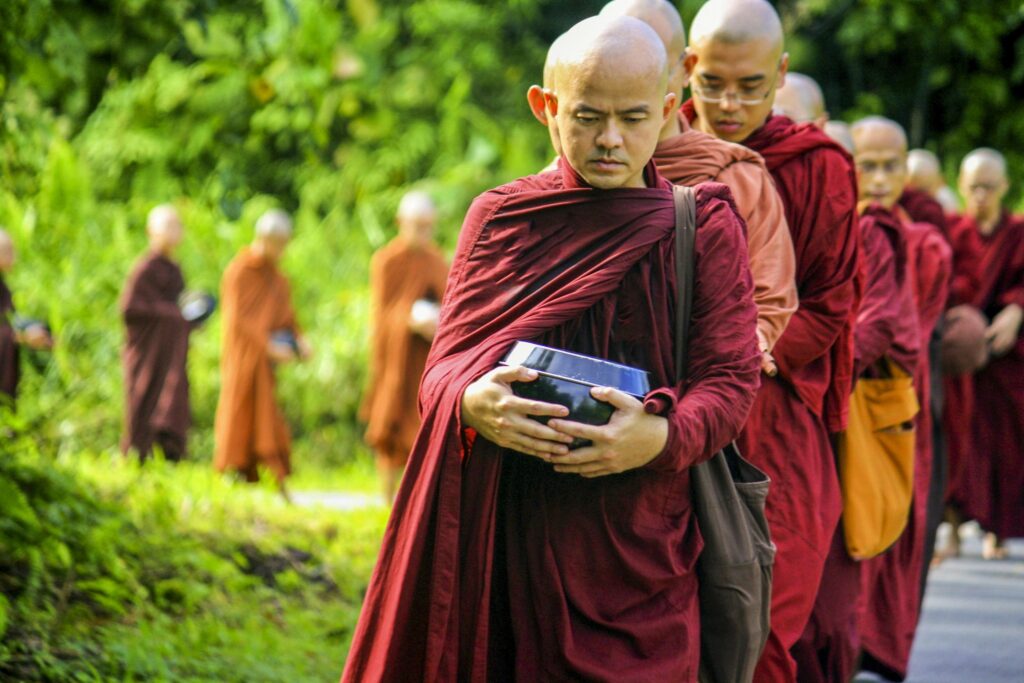
Tucked away in the heart of Arunachal Pradesh, Itanagar’s Gompa is a sanctuary where serenity, culture, natural beauty and tall snowy mountains come together. Also called a Buddhist Monastery, to visitors the sanctuary is an idyllic retreat among picturesque hills. Be it for spiritual freedom, cultural revel or just a stay away on the comfy side, a return trip to the Monastery can not fail: soon enough you’ll see. Let Guwahati Taxi Services help plan your journey so that you can have both a happy and worthwhile experience without any of the fuss.

Buddhist monks in traditional maroon robes walking in a serene environment, representing the spiritual essence of Gompa in Itanagar, Arunachal Pradesh

Why Visit Gompa, Itanagar?

Itanagar Gompa is an essential stop on the journey to experience the rich Tibetan-Buddhist tradition and the jaw-dropping beauty of Arunachal Pradesh. Why not go through here?

Sacred Ambience Relish in the divine sense of calm you get when surrounded by trees and greenery.

Architectural Singularity – Admire the dazzling walls of Tibetan-influenced architecture and arresting murals.

Panoramic Vistas – Look out over Itanagar from the monastery grounds for a superb view.

Cultural Significance – Understand what effect Tibetan Buddhism had on Arunachal Pradesh.

It Is Near Other Points of Interest – Close to several attractions you’ll want to check out, this is the logical base for any visit to both Itanagar and surroundings.

A Buddha statue under a sacred tree, surrounded by colorful prayer flags

How to Reach Gompa, Itanagar?

Gompa is easily accessible via well-connected routes. Here’s how you can get there conveniently:

By Air: The nearest airport is Lilabari Airport (Assam), approximately 70 km away. Hire a Guwahati Taxi for a comfortable ride to Itanagar. 

By Train: The closest railway station is Naharlagun, just 15 km from Itanagar. Book a cab for a seamless transfer.

 By Road: Itanagar is well connected by road. A road trip from Guwahati takes about 8-9 hours, offering scenic landscapes along the way.

Ita Fort, an ancient hilltop fortress, with a long bridge leading to its entrance.

Top Attractions Near Itanagar Gompa

Ita Fort – A historic 14th-century fort constructed out of extraordinary stonework, reflecting the architectural heritage of Arunachal.

Ganga Lake (Gyakar Sinyi)is surrounded by green woods and is peaceful, perfect for boating and relaxation.

In a Indira Gandhi Park, visitors can take leisure walks, snap a photo or two and have a family picnic.

 Jawaharlal Nehru Museum – Arunachal’s tribal culture and history are well illustrated and traditional artifacts are also on show.

Polo Park is a magnificent botanical garden with many different kinds of plants and a mini-zoo for rare animals.

A scenic view of Ganga Lake surrounded by lush green forests and hills under a cloudy sky.

Best Time to Visit Itanagar Gompa

October to April is the ideal time to visit, with pleasant weather and clear skies enhancing the experience. Avoid monsoons as heavy rains may disrupt travel plans.

Travel Tips for a Smooth Experience

Get to Bring Your Own Inner Line Permit (ILP): For those visiting Arunachal Pradesh, that is a must. Get on the internet or get one at a designated office. Require rephrasing.

First Pack Essentials like Comfortable Clothing and Good Walking Shoes!Take attention-worthy photographs.

With Local Customs Safeguard Some respect: Please respect the Monastery Rule and Engage responsively with Lamas Doing ceremonies&religious activities.

Keep Connected: Network connection may be limited in some areas carry offline maps.

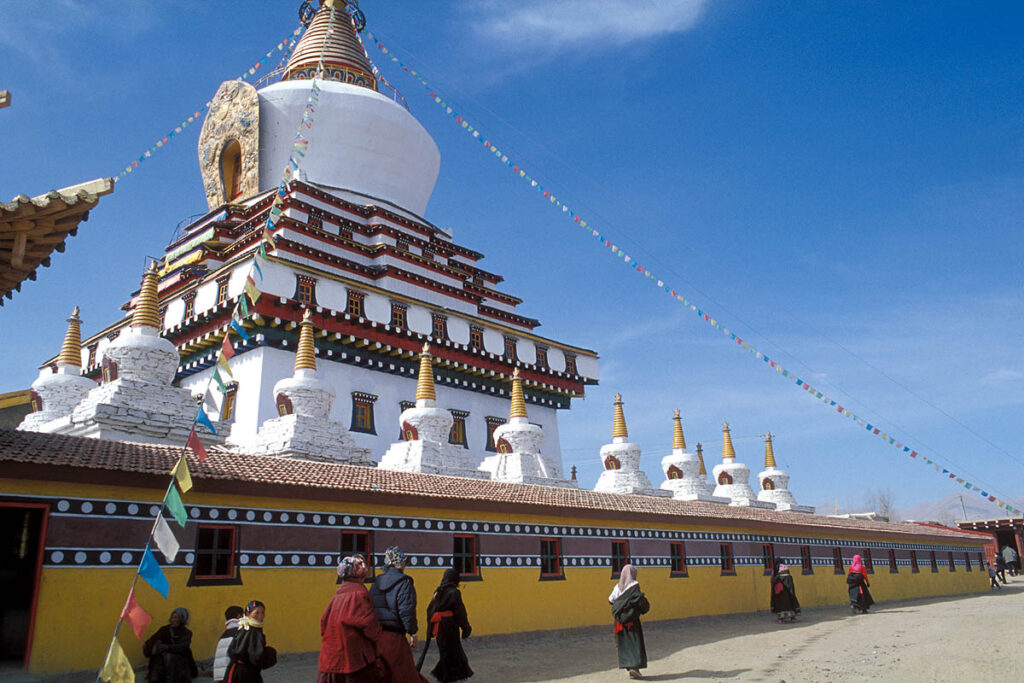
A Buddhist monastery with stupas, prayer flags, and traditional Tibetan architecture.

Plan Your Spiritual Getaway with Guwahati Taxi
Whether you’re a spiritual seeker, an adventure lover, or a cultural explorer, Gompa in Itanagar offers a refreshing break from routine. Experience its serenity and nearby attractions with ease by booking your ride with Guwahati Taxi services.

📢 Ready for a memorable trip? Book your journey with Guwahati Taxi today!

Read more

Discover the Mystical Mawphlang Sacred Grove in Meghalaya: A Journey into Nature’s Sanctuary

Tucked away in the rolling hills of Meghalaya, Mawphlang Sacred Grove is not just a forest—it’s a living legend. Renowned for its breathtaking biodiversity, spiritual heritage, and pristine natural beauty, the grove is one of the most enchanting destinations in northeast India. Whether you’re a nature lover, history buff, or cultural explorer, Mawphlang is a must-visit to experience Meghalaya’s deep-rooted connection with nature.

The Sacred Legacy of Mawphlang

Mawphlang Sacred Grove, located approximately 25 km from Shillong, is an ancient forest believed to be protected by local deities. For centuries, the Khasi tribe has preserved the grove through strict cultural rituals, ensuring that no harm comes to its ecosystem. Cutting down trees or removing anything from the forest—even a leaf—is considered taboo, as the spirits of the forest are said to guard the land fiercely.

This sacredness has allowed the grove to thrive as a biodiversity hotspot, with flora and fauna found nowhere else. Walking through the grove feels like stepping into a natural cathedral, with towering trees, vibrant moss, and medicinal plants that have been used by indigenous communities for generations.

Mawphlang Sacred Grove Meghalaya travel Sacred forest Meghalaya Eco-tourism Meghalaya Places to visit in Meghalaya

What Makes Mawphlang Sacred Grove Special?

1. Unmatched Biodiversity

Home to ancient oak trees, ferns, orchids, mushrooms, and over hundreds of medicinal plants, Mawphlang offers a sanctuary for nature. The air is crisp, and the environment is untouched—a rare haven in a rapidly urbanizing world.

2. Cultural Significance

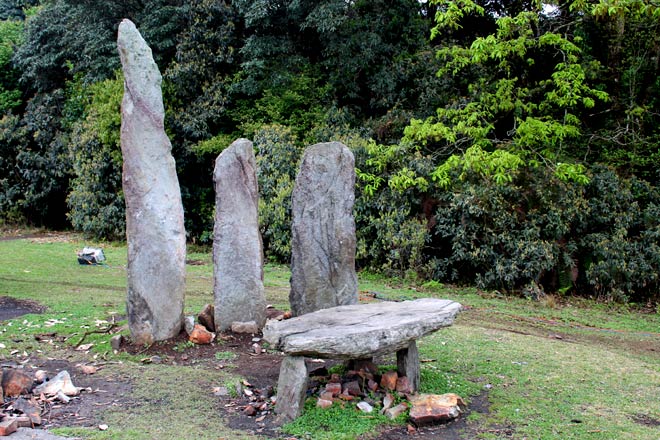
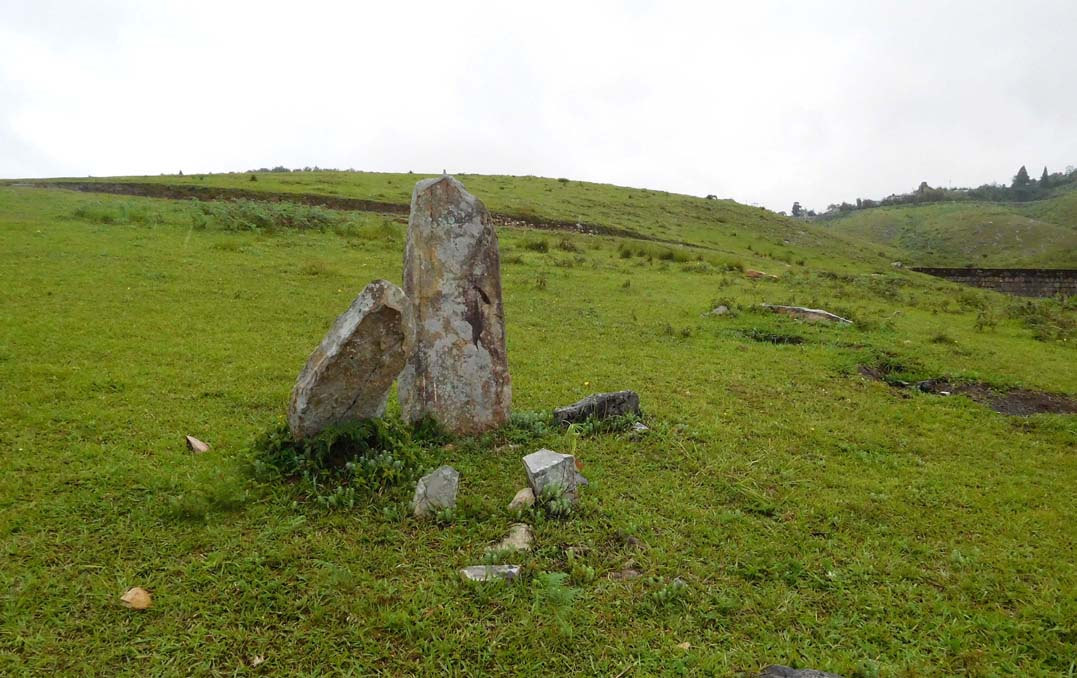
The grove is closely tied to Khasi spiritual practices. Rituals and sacrifices are still occasionally performed to honor the forest gods, particularly in a stone shrine located within the grove, where monoliths stand as silent witnesses of a rich cultural heritage.

3. Eco-Tourism Haven

For eco-tourists, Mawphlang is a dream destination. Sustainable tourism practices ensure that the natural balance of the grove is maintained, while knowledgeable local guides share tales, legends, and ecological insights on walking tours.

Best Time to Visit Mawphlang Sacred Grove

The ideal time to explore Mawphlang is from October to May. The weather during these months is pleasant, with clear skies and comfortable temperatures. The monsoon season (June to September), while beautiful with its lush greenery, can make the trails slippery and difficult to navigate.

Mawphlang Sacred Grove Meghalaya travel Sacred forest Meghalaya Eco-tourism Meghalaya Places to visit in Meghalaya

How to Reach Mawphlang Sacred Grove

  • By Air: The nearest airport is Shillong Airport, about 45 km away.
  • By Road: Mawphlang is easily accessible from Shillong by taxi or local buses.
  • By Rail: The closest major railway station is Guwahati, from where you can drive or take a bus to Shillong and onward to Mawphlang.

Things to Do at Mawphlang Sacred Grove

1. Guided Nature Walks

Experience a mystical tour with local guides who explain the historical, medicinal, and ecological importance of the forest.

2. Photography

Capture stunning shots of moss-laden trees, rare orchids, and the tranquil ambiance of this ancient grove.

3. Visit Monoliths and Ritual Sites

Learn about the monoliths, which serve as sacred markers, and understand the rituals performed to honor the forest gods.

4. Explore David Scott Trail

Adventure enthusiasts can hike the nearby David Scott Trail, one of the oldest trekking routes in Meghalaya, passing through scenic villages and waterfalls.

Mawphlang Sacred Grove Meghalaya travel Sacred forest Meghalaya Eco-tourism Meghalaya Places to visit in Meghalaya

Why Mawphlang Should Be on Your Bucket List

  • Spiritual Connection: Discover the ancient practices of the Khasi people and the spiritual importance of living harmoniously with nature.
  • Pristine Beauty: With zero litter and absolute serenity, this is one of the cleanest and most well-preserved ecosystems in India.
  • Cultural Insight: Mawphlang is not just a forest; it’s a living museum of Khasi culture, oral history, and traditions.

Tips for Visiting Mawphlang Sacred Grove

  • Always hire a local guide. Not only are they incredibly knowledgeable, but they ensure visitors respect the rules of the grove.
  • Do not pick or take anything from the forest—not even a fallen leaf.
  • Wear comfortable hiking shoes, as the terrain can be uneven and damp.
  • Bring rain gear if visiting during monsoon months.
  • Respect the local customs and the sacredness of the site.

Where to Stay Near Mawphlang Sacred Grove

Nearby Accommodation Options:

  • Homestays in Mawphlang village for a local experience.
  • Eco-lodges and guesthouses in Shillong for more comfort.
  • Camping options during specific seasons, arranged by local tour operators.
Final Thoughts

A visit to Mawphlang Sacred Grove is much more than a travel experience—it’s a step back into a world where nature, culture, and spirituality are deeply intertwined. The forest whispers ancient tales through its rustling leaves and moss-covered stones. It stands as a testament to the Khasi people’s unwavering respect for the environment, offering us an invaluable lesson on coexistence.

So, if you’re planning your next adventure in Meghalaya, make sure Mawphlang Sacred Grove is at the top of your list. Breathe in the fresh air, listen to the silence, and leave with a heart full of peace and a mind inspired by nature’s untouched beauty.

Ready to experience the real Northeast? Start planning your trip today!

Read more

Discover the Enchanting Laitlum Canyon: Meghalaya’s Hidden Paradise for Adventure Seekers!

Nestled in the heart of Meghalaya, the Laitlum Canyon is a spectacular natural wonder offering panoramic views of rolling hills, deep gorges, and endless greenery. Translating to “End of the Hills” in the local Khasi language, Laitlum is a tranquil escape from the chaos of city life and an ideal spot for nature lovers, trekkers, and photographers seeking untouched beauty.

If you’re planning a trip to Northeast India, Laitlum Canyon deserves a spot at the top of your itinerary. Here’s a detailed travel guide to help you experience this gem to the fullest.

Why Visit Laitlum Canyon?

Laitlum Canyon is not just another tourist attraction; it’s an experience. With its vast, open landscapes and cool, crisp air, the canyon feels like nature’s own amphitheater. On clear days, the view stretches out for miles, with lush valleys, quaint villages, and winding streams creating a picture-perfect scene. It’s no wonder that Laitlum has become popular among photographers and filmmakers looking to capture Meghalaya’s raw beauty.

Laitlum Canyon Meghalaya travel Laitlum trek Meghalaya tourism Northeast India adventure

How to Reach Laitlum Canyon

Laitlum Canyon is about 24 km from Shillong, the capital of Meghalaya. Here’s how you can get there:

  • By Air: The nearest airport is Shillong Airport, approximately 30 km away. Alternatively, you can fly into Guwahati Airport, about 120 km from Shillong.
  • By Road: From Shillong, taxis and shared cabs are readily available. The drive takes around 45 minutes, offering scenic views all along the route.
  • By Local Transport: You can also hire scooters or bikes if you’re feeling adventurous and want to explore Meghalaya on two wheels.

Best Time to Visit

The best time to visit Laitlum Canyon is from October to April, when the weather is pleasant, and the skies are mostly clear. During the monsoon (June to September), the region experiences heavy rainfall, which adds a mystical charm to the landscape but can make trekking and road travel challenging due to slippery paths and reduced visibility.

Laitlum Canyon Meghalaya travel Laitlum trek Meghalaya tourism Northeast India adventure

Trekking at Laitlum Canyon

For those who crave adventure, Laitlum offers some of the most rewarding trekking experiences in Meghalaya. The trek down to Rai Village, located at the base of the canyon, is particularly popular. It’s a 2-hour hike through steep paths, bamboo forests, and scenic viewpoints. The villagers are warm and welcoming, offering insights into the Khasi way of life and their deep connection to nature.

Trekking Tips:
  • Wear sturdy trekking shoes with good grip.
  • Carry enough water and light snacks.
  • Start your trek early to avoid the afternoon heat.
  • Hire a local guide if you’re unfamiliar with the terrain.

Things to Do at Laitlum Canyon

  • Photography: Every angle at Laitlum is Instagram-worthy. Sunrise and sunset, in particular, offer golden hues that make the landscape glow.
  • Picnicking: Pack a meal and enjoy a peaceful picnic with unmatched views.
  • Drone Footage: If you have a drone, this is one of the best spots in Meghalaya for aerial shots.
  • Village Walks: Interact with locals in the nearby villages and learn about their sustainable way of living.
Laitlum Canyon Meghalaya travel Laitlum trek Meghalaya tourism Northeast India adventure

Where to Stay

While there aren’t many accommodations directly at Laitlum Canyon, Shillong offers plenty of options:

  • Budget stays like hostels and guesthouses.
  • Mid-range hotels with comfortable amenities.
  • Luxury resorts for those seeking a premium experience.

Consider staying in local homestays if you wish to experience authentic Khasi hospitality.

Travel Tips for Laitlum Canyon

  • Start Early: The canyon tends to get foggy in the late afternoon, which can obscure the views.
  • Pack Light: The area is remote with minimal facilities, so carry essentials like sunscreen, hats, and a first-aid kit.
  • Respect Nature: Keep the environment clean. Avoid littering and be mindful of the local culture.
  • Cash is King: Mobile networks can be unreliable, and digital payments may not work. Carry sufficient cash.

Why Laitlum Canyon Should Be on Your Bucket List

In an era of overcrowded tourist destinations, Laitlum Canyon offers an untouched, serene environment where nature reigns supreme. Whether you’re looking to trek, photograph, or simply sit and breathe in the fresh mountain air, Laitlum is the perfect getaway.

The beauty of Laitlum Canyon lies not just in its breathtaking landscapes but in the sense of peace it brings. It reminds us that sometimes, the end of the hills is just the beginning of an unforgettable adventure.

Ready to experience the real Northeast? Start planning your trip today!

Read more

Top 6 Myths About Traveling to Northeast India—Debunked!

Northeast India is a mysterious and enchanting region, often misunderstood by travelers due to a lack of awareness or misinformation. Many tourists hesitate to visit because of certain myths floating around. But the truth? The Northeast is one of the most diverse, safe, and breathtaking destinations in India!

In this blog, we’re busting six of the biggest myths about traveling to Northeast India. If you’ve been holding back from visiting, it’s time to see the reality behind these myths and discover the hidden gems of this beautiful region!

Myth 1: Northeast India is Difficult to Reach

Many people assume that traveling to the Northeast is complicated due to its remote location. However, this is far from the truth.

The Reality:

  • Guwahati (Assam) is a major gateway, with direct flights from Delhi, Mumbai, Bangalore, Chennai, and Kolkata.

  • Other airports in Shillong, Imphal, Aizawl, Agartala, Dimapur, and Dibrugarh make it easy to access different states.

  • Well-maintained highways and railway connectivity are improving every year.

Tip: Opt for domestic flights to save time, and use shared cabs or rental bikes for local travel.

Travel Myths

Myth 2: You Need Special Permits to Visit Every State

While some states require an Inner Line Permit (ILP), not all do. Yet, many travelers believe this myth and hesitate to visit.

The Reality:

  • No permit is needed for Assam, Meghalaya, and Tripura—just book your tickets and go!

  • ILP is required for Arunachal Pradesh, Nagaland, Manipur, and Mizoram—easily available online.

  • Foreigners need a Protected Area Permit (PAP) for Arunachal Pradesh.

Tip: If you’re traveling with a tour company, they handle the permits for you, making it hassle-free.

Myth 3: The Food is Too Spicy and Exotic

One of the most common myths is that Northeast Indian food is too spicy or filled with unusual ingredients. While the region does have some unique dishes, there are plenty of options for all kinds of taste preferences.

The Reality:

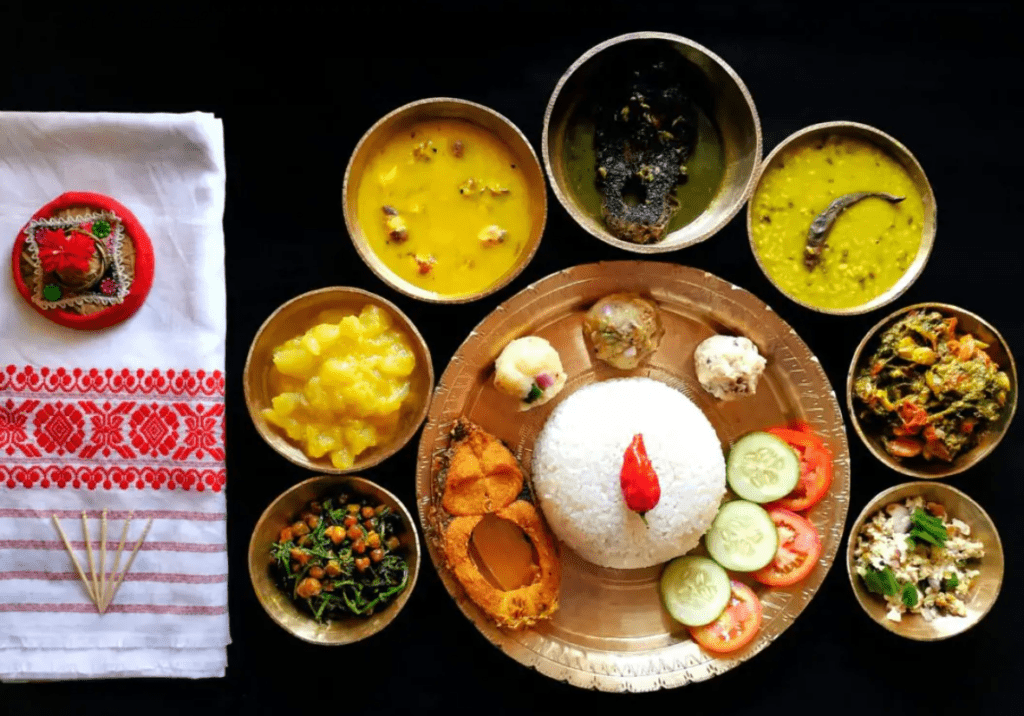
  • Assam’s thali is mild and flavorful, with dal, rice, fish, and vegetables.

  • Sikkimese momos and thukpa are widely loved and not too spicy.

  • Meghalaya has pork-based dishes that are rich in flavor but not overly spicy.

  • Every state has local options, but you can always find standard Indian, Chinese, and even continental food in popular tourist areas.

Tip: If you’re not a fan of strong flavors, ask for mild versions of local dishes.

Assam Food Spices

Myth 4: It’s Not Safe for Travelers

Safety concerns are one of the biggest myths about Northeast India, often discouraging travelers from exploring this stunning region.

The Reality:

  • Crime rates in Northeast states are lower than in many metro cities.

  • Locals are hospitable and welcoming to tourists—you’ll often be invited to festivals and homes.

  • Women travelers find the Northeast especially safe, with Meghalaya and Mizoram having some of the highest gender equality rates in India.

Tip: Like any destination, exercise basic caution, avoid isolated places at night, and respect local customs.

Myth 5: There’s Nothing to Do Besides Trekking

One of the biggest myths about the Northeast is that it’s only for trekkers and adventure seekers. But the region offers so much more!

The Reality:

  • Adventure seekers can try river rafting in Assam, caving in Meghalaya, or paragliding in Sikkim.

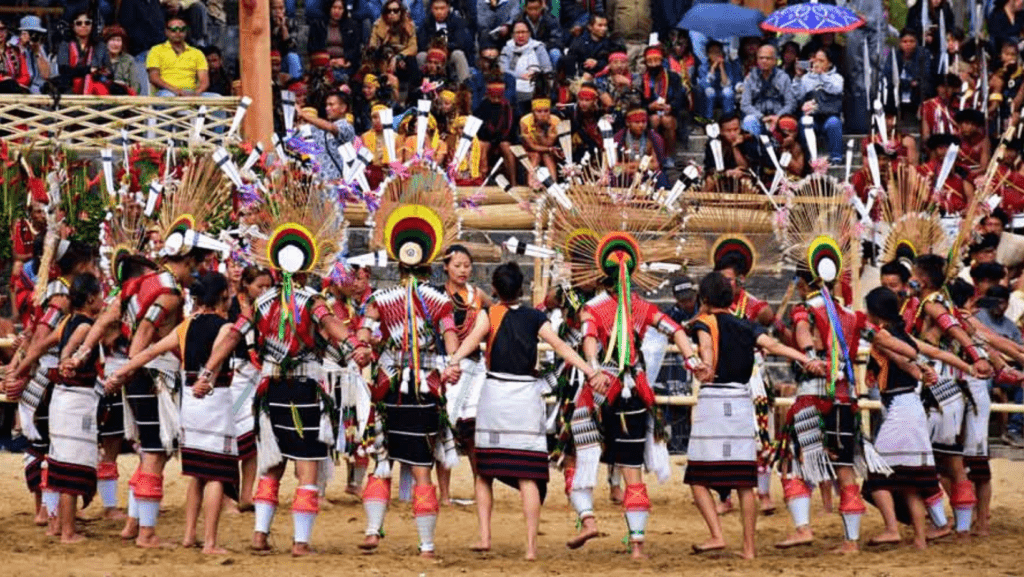
  • Cultural enthusiasts can visit tribal villages in Nagaland, attend the Hornbill Festival, or explore monasteries in Arunachal.

  • Wildlife lovers can go for a safari in Kaziranga (home to one-horned rhinos) or explore the floating national park in Manipur.

  • Foodies can experience tea-tasting in Assam or indulge in Northeast’s unique fusion cuisine.

Tip: Customize your itinerary based on your interests—whether it’s relaxation, adventure, or cultural immersion.

Myth 6: Internet and Phone Connectivity is Poor

Many travelers avoid the Northeast due to myths about poor internet connectivity, but this is not entirely true.

The Reality:

  • Guwahati, Shillong, Gangtok, and Aizawl have strong mobile networks and high-speed internet.

  • Airtel and Jio work best in most locations, with BSNL being useful in very remote areas.

  • Many hotels, cafés, and homestays now offer WiFi connectivity.

Tip: Download offline maps and keep a power bank handy for treks or rural visits.

Now that these myths are debunked, there’s nothing stopping you from exploring one of the most beautiful and culturally rich regions in India. Whether you’re looking for adventure, serenity, or unique traditions, Northeast India has it all.

Ready to experience the real Northeast? Start planning your trip today!

Read more

Survival Guide: How to Blend In Like a Local in Northeast India

Survival Guide to Northeast India is essential for anyone looking to explore this diverse and culturally rich region. Whether you’re visiting for adventure, sightseeing, or business, understanding local customs can enhance your experience and help you connect with the people. Here’s your ultimate survival guide on how to blend in like a local in Northeast India. This survival guide will ensure you have a seamless and authentic experience.

1. Dress Modestly and Adapt to Local Attire

While urban areas like Guwahati and Shillong have modern fashion influences, many rural regions prefer modest dressing. Men usually wear traditional attire during festivals, while women wear mekhela chador (Assam), puan (Mizoram), or phanek (Manipur). Wearing local fabrics can earn you respect and admiration.

Tip: If you visit a monastery or temple, cover your shoulders and legs as a sign of respect.

Garo Culture

2. Learn Basic Greetings in Local Languages

The Northeast has over 200 languages, but learning a few common phrases can go a long way.

  • Namaskar (Assamese)

  • Khublei (Khasi, Meghalaya)

  • Tashi Delek (Monpa, Arunachal Pradesh)

  • Khawp la (Mizo, Mizoram)

A simple greeting can make locals appreciate your effort.

3. Respect Tribal Customs and Traditions

Each state has its unique tribal culture. Some tribes in Nagaland and Arunachal Pradesh follow strict traditions regarding guest interactions, rituals, and festivals.

Tip: Always ask for permission before taking photos, especially in tribal villages.

4. Eat Like a Local

Food is a significant part of Northeast culture. Ditch the fast food and try authentic dishes like:

  • Thukpa & Momos (Arunachal Pradesh, Sikkim)

  • Smoked Pork (Nagaland)

  • Bamboo Shoot Curry (Assam, Manipur)

  • Fermented Soybean Dishes (Meghalaya, Manipur, Mizoram)

Many dishes are prepared with minimal spices but have strong flavors due to fermentation techniques.

Gyathuk Sikkim

5. Follow Local Drinking Etiquette

Rice beer and fermented beverages are common in many tribal cultures. If offered, it is polite to take at least a sip.

Tip: Avoid excessive drinking as some communities consider it disrespectful.

6. Participate in Local Festivals

Northeast India is rich in festivals, and attending them can help you understand the region’s traditions.

  • Hornbill Festival (Nagaland) – Showcasing tribal heritage and dance.

  • Bihu (Assam) – A grand harvest festival with dance and feasting.

  • Losar (Arunachal Pradesh, Sikkim) – Tibetan New Year celebration.

  • Chapchar Kut (Mizoram) – A spring festival with folk music and dance.

Participating in these celebrations can make you feel like a part of the community. This survival guide will help you navigate these festivities with ease.

Hornbill Festival 2024

7. Be Mindful of Environmental Practices

Many communities in the Northeast practice eco-friendly traditions. Meghalaya’s sacred forests, Arunachal’s conservation villages, and Mizoram’s ‘no plastic’ movements are a few examples.

Tip: Avoid littering, use biodegradable products, and respect local conservation efforts

8. Respect Religious Sentiments

Buddhism, Christianity, Hinduism, and indigenous faiths coexist in Northeast India. When visiting religious sites:

  • Remove shoes before entering temples and monasteries.

  • Do not point your feet toward sacred objects.

  • Avoid loud conversations inside religious places.

9. Travel with an Open Mind

People in the Northeast are warm and welcoming, but their customs may be different from what you’re used to. Keep an open mind, be polite, and embrace the experience. This survival guide is designed to help you adjust smoothly to the local culture.

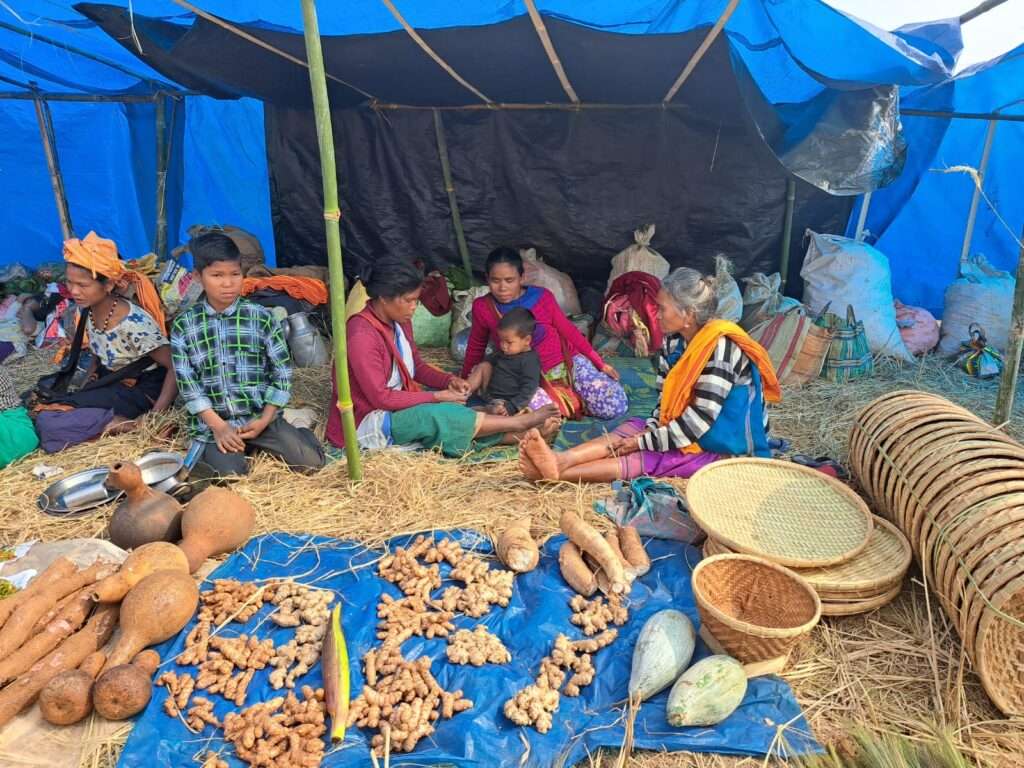
Jonbeel Mela barter system

Survival Guide for Northeast India is all about respect, curiosity, and adaptability. The more effort you put into understanding the culture, the more rewarding your journey will be. Whether it’s through language, food, or traditions, every little effort helps in making meaningful connections with the locals.

So, pack your bags, embrace the culture, and enjoy the unique charm of Northeast India with Guwahati Taxi

Read more

Travel to Shillong for Ed Sheeran’s Concert with Guwahati Taxi: A Perfect Road Trip Guide!

Shillong, the rock capital of India, is buzzing with excitement as it prepares to host Ed Sheeran’s much-awaited concert! Fans from across the country are making their way to Meghalaya’s beautiful hill station to witness the global music icon live on stage. If you’re planning to be part of this historic event, the best way to reach Shillong is by taking a scenic road trip from Guwahati with Guwahati Taxi.

This Shillong travel guide will help you plan the perfect journey, covering best routes, top attractions, travel tips, and everything you need to know to make the most of your trip!

Ed Sheeran Shillong concert 2025 Guwahati to Shillong taxi service Best way to travel to Shillong from Guwahati Shillong travel guide for concerts Shillong road trip from Guwahati Shillong tourist attractions 2025 Book Guwahati Taxi for Shillong trip

Why Travel from Guwahati to Shillong with Guwahati Taxi?

The journey from Guwahati to Shillong is one of the most beautiful road trips in Northeast India. Whether you’re traveling solo, with friends, or with fellow Ed Sheeran fans, booking a comfortable Guwahati Taxi ensures a stress-free and enjoyable ride.

  • Convenience – Book a taxi and avoid the hassle of public transport.
  • Scenic Beauty – Witness Meghalaya’s stunning landscapes, waterfalls, and lush green hills.
  • Comfort & Safety – Travel with an experienced driver who knows the best routes.
  • Flexible Timing – Leave anytime and make stops at breathtaking viewpoints.
Ed Sheeran Shillong concert 2025 Guwahati to Shillong taxi service Best way to travel to Shillong from Guwahati Shillong travel guide for concerts Shillong road trip from Guwahati Shillong tourist attractions 2025 Book Guwahati Taxi for Shillong trip

Best Route: Guwahati to Shillong Road Trip

  • Starting Point: Guwahati, Assam
  • Distance: Approx. 100 km
  • Travel Time: 2.5 to 3 hours (depending on traffic and stops)
  • Recommended Route: NH6 via Nongpoh

Your Guwahati Taxi journey will take you through:

  • Umiam Lake – A picturesque stop for boating and photography.
  • Nongpo – A perfect place for a quick snack break.
  • Shillong Viewpoints – Enjoy panoramic views of the rolling Khasi hills.

Things to Do in Shillong Before Ed Sheeran’s Concert

Make the most of your Shillong trip before heading to the Ed Sheeran concert by exploring these must-visit places:

1. Umiam Lake (Barapani)

Stop by this stunning lake, also called the Meghalaya’s Mini Scotland, and enjoy boating, kayaking, or just relaxing by the water.

2. Police Bazaar

The heart of Shillong’s shopping and nightlife, Police Bazaar is perfect for grabbing souvenirs, trying local Khasi food, or enjoying a cup of Shillong’s famous tea.

3. Elephant Falls

One of Shillong’s most popular waterfalls, Elephant Falls offers a breathtaking view, making it a must-visit spot before heading to the concert.

4. Shillong Cafe Culture

Shillong is known for its bohemian cafes and vibrant music scene. Visit Cafe Shillong or Dylan’s Café to soak in the pre-concert excitement with fellow music lovers.

Ed Sheeran Concert: What You Need to Know

  • Date & Venue: Shillong (exact venue details to be announced).
  • Entry Requirements: Carry a valid ticket, ID proof, and COVID safety essentials (if required).
  • Best Time to Reach: Arrive at least 2 hours early to avoid long queues.
  • Parking & Transport: Book a return Guwahati Taxi in advance to avoid last-minute hassles.
Ed Sheeran Shillong concert 2025 Guwahati to Shillong taxi service Best way to travel to Shillong from Guwahati Shillong travel guide for concerts Shillong road trip from Guwahati Shillong tourist attractions 2025 Book Guwahati Taxi for Shillong trip

Travel Tips for a Hassle-Free Trip to Shillong

  • Pre-Book Your Guwahati Taxi – Cabs get booked fast during events, so reserve yours early.
  • Carry Sufficient Cash – Some areas have limited ATM access.
  • Keep Your ID Proof Ready – Meghalaya authorities may conduct random security checks.
  • Pack Warm Clothes – Shillong’s weather can be chilly, especially at night.
  • Save Emergency Numbers – Stay connected in case of network issues.

Enjoy the Best of Shillong with Guwahati Taxi!

Attending Ed Sheeran’s concert in Shillong is a once-in-a-lifetime experience, and making the journey from Guwahati to Shillong with a comfortable Guwahati Taxi will make your trip even more memorable. From scenic landscapes to vibrant city vibes, Shillong has everything to offer for a perfect musical getaway.

Also Read: The Ultimate Road Trip Guide: Exploring Meghalaya from Guwahati

Read more

Superstitions & Legends: The Mysterious Side of Northeast India

The Mysterious Side of Northeast India is not just about breathtaking landscapes and vibrant cultures; it is also home to some of the most intriguing superstitions and legends that have been passed down for generations. From mystical villages to haunted forests, this region is filled with stories that can send chills down your spine. Whether you believe in the supernatural or not, these tales add to the unique charm of The Mysterious Side of Northeast India, making it a must-visit for curious travelers.

Exploring The Mysterious Side of Northeast India means diving into centuries-old folklore, discovering haunted places, and experiencing mystical traditions that locals still believe in. If you are an adventurer looking for something beyond the usual, then prepare to uncover the hidden stories that make The Mysterious Side of Northeast India truly unique.

1. The Whistling Village of Meghalaya – Kongthong’s Secret Language

Imagine a village where people call each other not by names but by whistling a tune! In Kongthong, a remote village in Meghalaya, every resident has a unique tune assigned to them at birth. This ancient tradition, known as Jingrwai Iawbei, is believed to keep away evil spirits that might be attracted by spoken names.

The Mysterious Side of Northeast India is filled with unique traditions like this, where culture and mystery blend seamlessly. Many locals believe the practice helps ward off unwanted supernatural entities, while anthropologists see it as a fascinating cultural survival tactic.

2. The Cursed Gold of Manipur – The Hidden Treasure That No One Dares to Touch

Deep in the forests of Manipur, legends speak of hidden gold that brings misfortune to anyone who dares to claim it. The Khongjom War Treasure, supposedly buried by Manipuri soldiers during the Anglo-Manipur War, is said to bring ruin to those who attempt to unearth it. Locals believe that spirits guard the treasure, and anyone seeking it without proper rituals will suffer from illness, bad luck, or even death.

Fact or Folklore? Some believe it’s just a tale to prevent treasure hunters from disturbing war memorial sites, while others insist on its truth based on real-life tragedies. These eerie stories contribute to The Mysterious Side of Northeast India, making it a region filled with secrets waiting to be explored.

3. Mayong – India’s Black Magic Capital in Assam

Tucked away in Assam, Mayong is often referred to as the ‘Land of Black Magic’. Stories of sorcery, vanishing acts, and supernatural healing make this village a mysterious attraction. Ancient scripts and artifacts here speak of powerful spells that could turn people into animals or control minds.

What’s the truth? While modern science dismisses these claims, Mayong still holds annual magic festivals where traditional healers showcase their mysterious abilities, keeping the legend alive. Visiting Mayong is like stepping into The Mysterious Side of Northeast India, where magic and reality intertwine.

4. The Living Root Bridges – A Natural Marvel or a Supernatural Wonder?

The living root bridges of Meghalaya are nothing short of miraculous. Grown over centuries by the Khasi tribes using the roots of rubber trees, these bridges seem almost supernatural in their strength and longevity. Some locals believe the trees have spirits that protect those who respect nature, while others think the roots themselves hold magical energy.

Science or Superstition? While botany explains their growth process, many Khasi elders still follow ancient rituals before using the bridges, ensuring that nature’s balance remains undisturbed. The legends surrounding these bridges only add to The Mysterious Side of Northeast India.

5. The Floating Corpse of Loktak Lake – Manipur’s Unsettling Mystery

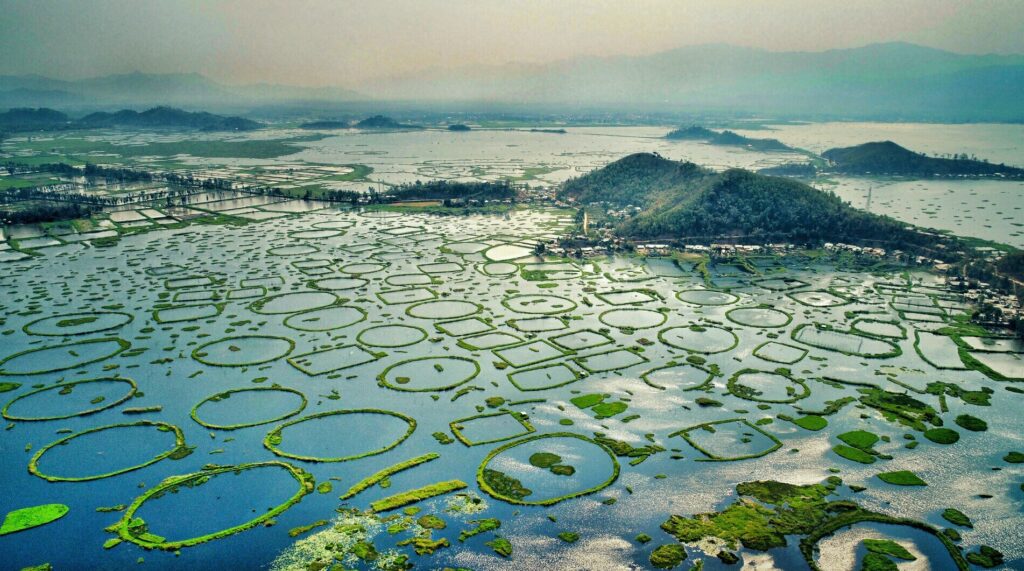
Loktak Lake, India’s largest freshwater lake, is famous for its floating islands, but eerie stories surround it. Fishermen have reported seeing a floating corpse that vanishes when approached. Some say it’s the ghost of a drowned warrior, while others believe it is a guardian spirit of the lake.

Can this be explained? Scientists suggest that shifting vegetation and light reflections create the illusion, but locals prefer to believe in the legend and avoid the lake at night.

Loktak Lake Manipur

6. The Head-Hunting Legacy of Nagaland – Spirits of the Warriors

Naga tribes were once fierce headhunters, collecting enemy heads as trophies. Though the practice ended decades ago, many villages believe that the spirits of fallen warriors still roam their ancestral lands. Some claim to hear war cries in the night, while others say the skulls carry the wisdom of their ancestors.

History or Horror? While historians see headhunting as a past tribal practice, some villagers still conduct rituals to appease the spirits, ensuring peace and prosperity.

7. The Ghostly Forest of Jatinga – Birds That Commit Suicide

In Assam’s Jatinga village, a bizarre phenomenon occurs every year: birds mysteriously fall from the sky, mostly during late monsoon nights. Many villagers believe that evil spirits lure the birds to their death.

Is there a logical explanation? Scientists explain that fog and high-altitude winds disorient the birds, causing them to crash, but the eerie timing and location keep superstitions alive.

Whether these legends are based on superstitions or science, they add to the rich cultural and mystical aura of The Mysterious Side of Northeast India. The region’s blend of folklore, nature, and history makes it an intriguing destination for travelers seeking the unknown.

For those who dare to explore The Mysterious Side of Northeast India, each place tells a story that lingers in the shadows of its landscapes.

If you are ready to uncover the secrets, plan your adventure now with Guwahati Taxi and step into a world where myths and reality intertwine!

Read more
error: Content is protected !!